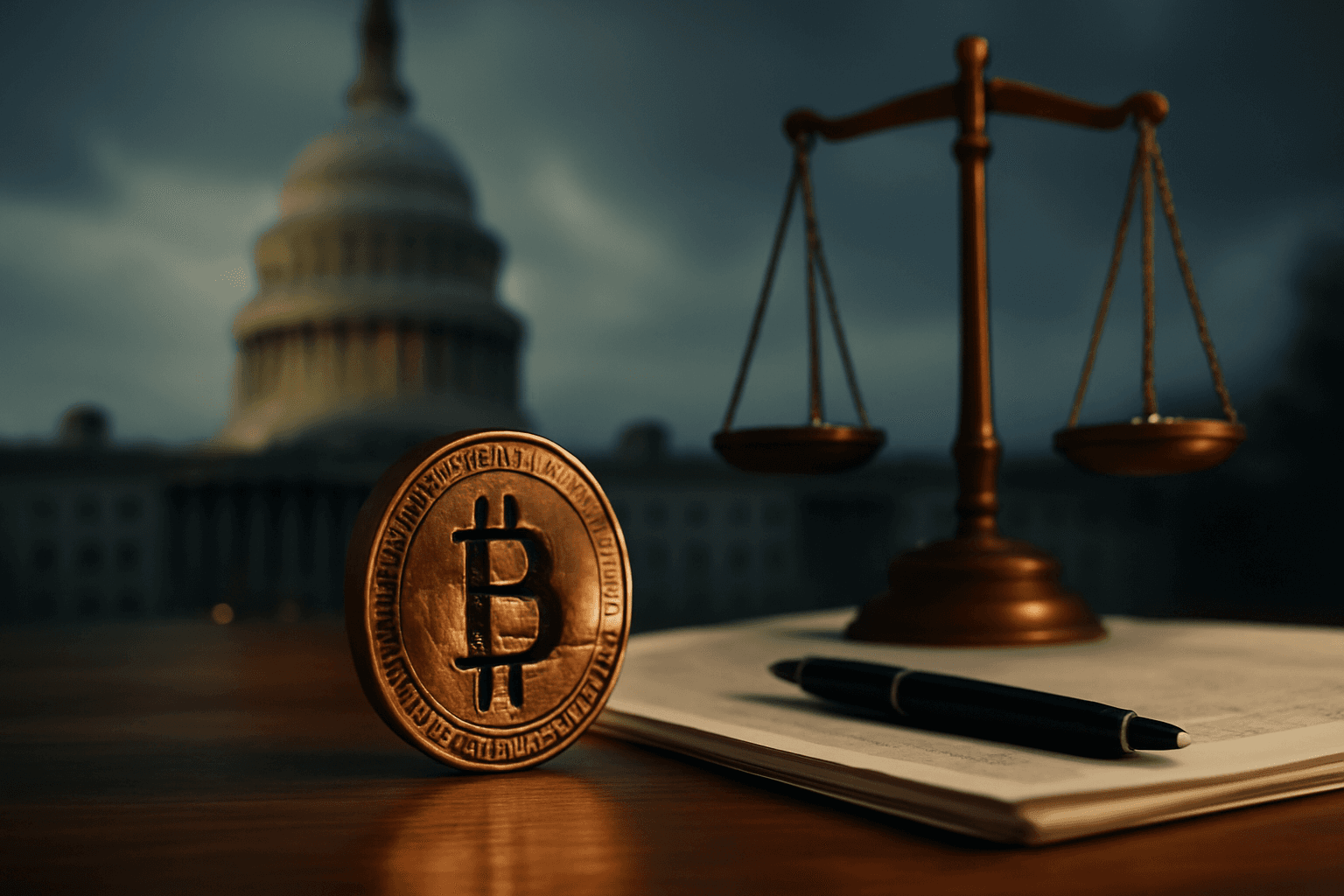
Senator Cynthia Lummis has issued a stark warning regarding the future of cryptocurrency regulation in the United States. With her recent remarks, she emphasizes that the proposed Digital Asset Market Clarity Act (CLARITY Act) represents a critical juncture for the regulatory landscape before the year 2030. If the legislation fails to pass, Lummis argues, the U.S. risks relegating itself to a secondary role in the global digital asset arena, allowing other countries to dictate the regulatory framework.
The significance of the CLARITY Act cannot be overstated; it aims to delineate the boundaries between securities and commodities in the digital asset sector, thereby granting the industry the regulatory certainty it has long sought. Without clear legislation, U.S. companies may find themselves operating in an uncertain gray area, which could stifle innovation and drive enterprises overseas. This could lead to a situation where American firms miss out on significant opportunities, as innovation and investment migrate to jurisdictions with more favorable regulatory environments.
Complicating matters, recent political tensions have emerged, particularly concerning nominations for key positions at the Securities and Exchange Commission (SEC) and the Commodity Futures Trading Commission (CFTC). A reported pushback from the White House against Senate Democrats' accusations regarding stalled nominations underscores the intricate relationship between regulatory appointments and the successful implementation of the CLARITY Act. As lawmakers scramble to fill minority seats, the outcome of these nominations will have a direct impact on the agencies that would enforce any new regulations. The procedural battles could either accelerate or hinder the progress of the CLARITY Act, depending on how swiftly these positions are filled.
As the debate continues, the stakes become increasingly apparent. The success or failure of the CLARITY Act could either pave the way for a vibrant and secure environment for digital assets in the United States or contribute to a prolonged period of regulatory uncertainty. Investors and industry participants are closely monitoring this situation, knowing that the decisions made in the coming weeks could dictate the trajectory of the digital asset market for years to come. The overall health of the U.S. crypto market hinges on these legislative outcomes, making this truly a make-or-break moment.
This material is for informational purposes only and does not constitute financial advice.