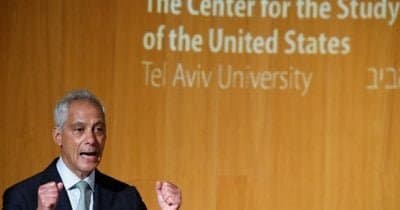
Rahm Emanuel, a prominent political figure and former White House Chief of Staff, recently articulated a stark warning regarding Israel's diplomatic standing, referring to its current status as a pariah state as "not survivable." This comment comes at a pivotal moment when Israel is grappling with its international relationships amidst ongoing military actions in Gaza and attempts at a U.S.-brokered peace deal with Hamas.
Emanuel's remarks underscore the increasing isolation Israel faces, not only from traditional allies but also within the broader international community. This isolation is particularly alarming given the shifting sentiment among American citizens, who are expressing growing discontent with Israel's actions. The importance of Emanuel's perspective lies in its potential to influence Israel's future diplomatic strategies, especially as the global geopolitical landscape evolves.
The Dynamics of Israel's Diplomatic Isolation
The implications of Emanuel's statement are significant. There is a potential shift in how Israel might approach its foreign relations, particularly with nations like Indonesia, which has historically maintained a distance from Israel due to the Palestinian issue. The notion that Israel might seek new alliances reflects a strategic necessity prompted by its current predicament. The ongoing military expansions and their impact on peace negotiations could serve as a catalyst for Israel to reevaluate its diplomatic engagements.
Possible Outcomes in International Relations
As the situation develops, observers will be closely monitoring any formal diplomatic initiatives that may arise from Emanuel's comments. The possibility of normalization between Israel and Indonesia could signal a broader shift in regional dynamics, especially if key leaders like Israeli Prime Minister Benjamin Netanyahu and Indonesian President Prabowo Subianto take decisive steps towards collaboration. This evolving relationship could not only alter perceptions of Israel in the Muslim world but also reassess its strategic posture in the face of changing U.S. support.
Moreover, market reactions could be influenced by any announcements regarding significant policy changes or new peace agreements involving regional actors. The delicate interplay between domestic and international politics will likely shape Israel's approach to diplomacy in the coming years.
This material is informational and not financial advice.