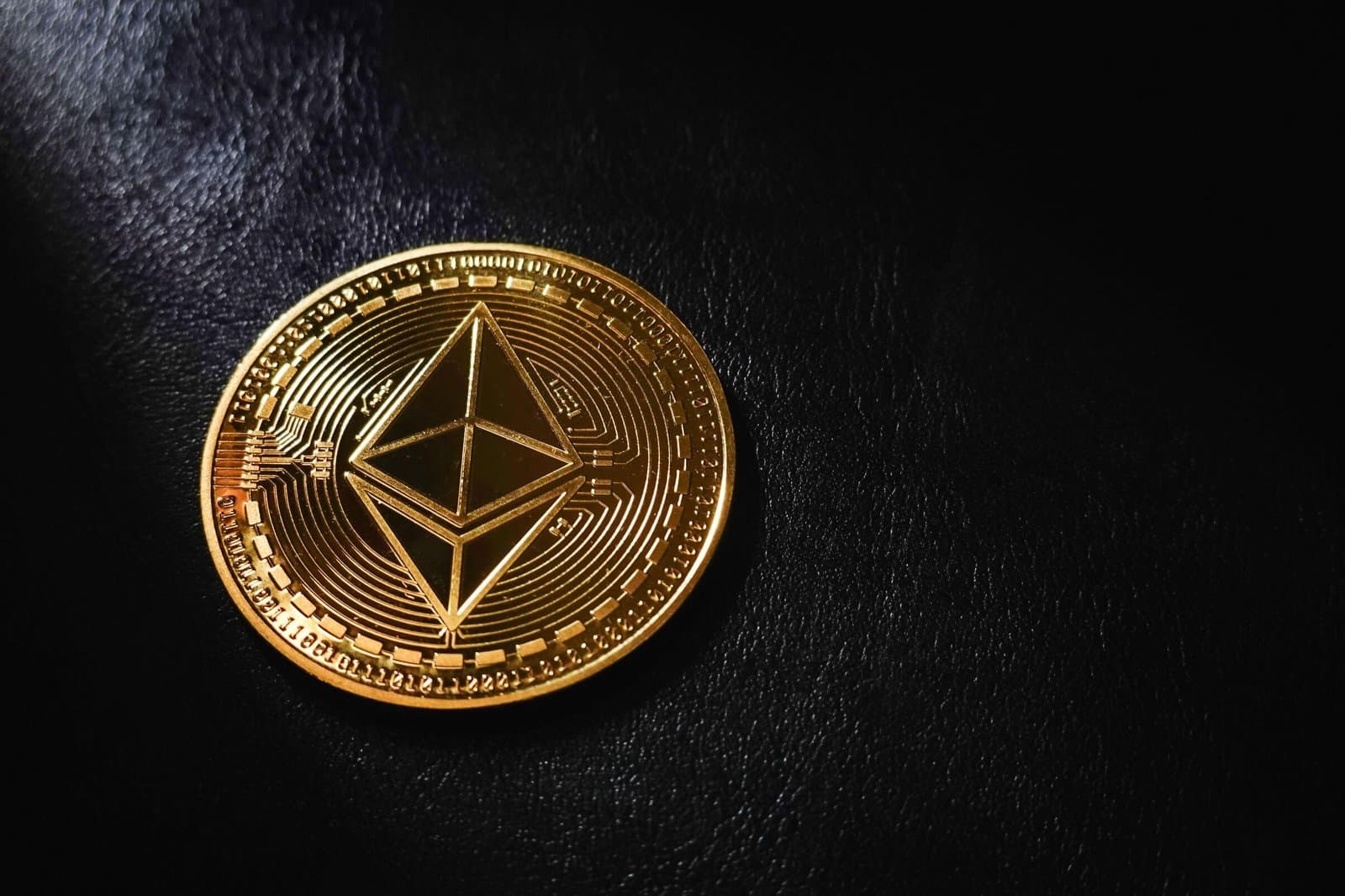
The debate surrounding reserve assets is intensifying as Bitcoin continues to establish itself alongside gold. Both assets are viewed as safe havens, holding significant value for institutions and governments. However, the buzz around Bitcoin is more than just noise; it reflects a shifting perception of value preservation in an increasingly digital economy.
Gold has long been the benchmark for reserve assets due to its historical stability and intrinsic value. Its scarcity and resistance to counterfeiting have made it a reliable choice. Yet, Bitcoin introduces a new dimension, presenting itself as a digital alternative that also offers scarcity through its capped supply of 21 million coins. This unique characteristic is drawing attention from investors who are looking for innovative ways to diversify their portfolios.
Context of Current Trends
As traditional financial systems face challenges and inflation concerns rise, the appeal of Bitcoin is growing. Recent analyses indicate that Bitcoin's volatility may be less of a deterrent as institutional investors begin to allocate a small percentage of their reserves to cryptocurrencies. This trend is evident as seen in articles like What Bitcoin's Price Rebound Signals for Future Trends, highlighting how market dynamics are evolving.
Moreover, the comparison between Bitcoin and gold goes beyond mere assets; it speaks to a generational shift in how wealth is viewed and stored. Younger investors are increasingly favoring digital assets due to their ease of access and potential for high returns, further challenging gold's historical dominance.
As the space for reserve assets continues to evolve, the implications for investors are profound. With Bitcoin potentially taking a more significant role, institutions that remain anchored to traditional assets may need to reassess their strategies. The question remains whether Bitcoin can stabilize its status as a reserve asset or if it will continue to exhibit the volatility that has characterized its brief history.
This material is for informational purposes only and should not be considered financial advice.