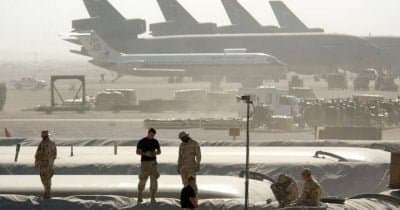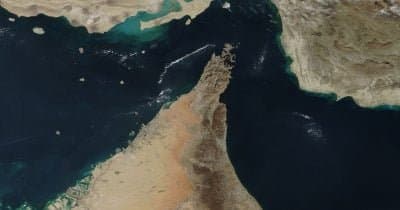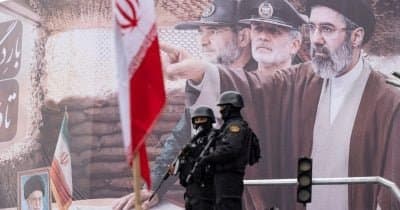
Iran’s Islamic Revolutionary Guard Corps (IRGC) launched attacks against U.S. military positions in Jordan and the Erbil region of Iraq, marking a notable escalation in hostilities. These strikes extend the conflict beyond Iran’s borders, complicating efforts toward a diplomatic breakthrough.
The recent military actions come after a series of reciprocal attacks between Iran and the U.S. Markets tracking the chances of a final nuclear deal by August 13, 2026, have reacted swiftly: the probability of reaching an agreement has plummeted, with current odds under 10% and almost zero chances by late July.
Unlike previous proxy confrontations, the IRGC employed missiles and drones targeting critical military infrastructure directly. This signals a shift to a more intense and direct confrontation, further destabilizing the region.
The situation follows earlier U.S. strikes on targets linked to the IRGC. The widening conflict into Jordan and Iraqi Kurdistan’s Erbil highlights a broader regional flare-up as tensions surge.
Observers should watch for any statements from key figures such as U.S. President Donald Trump or Iran’s Supreme Leader Ayatollah Ali Khamenei, as these could either inflame or ease tensions. Recent drone attacks on U.S. bases in Iraq reflect the growing volatility surrounding these flashpoints.