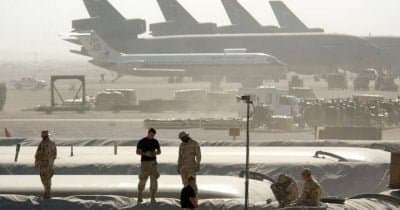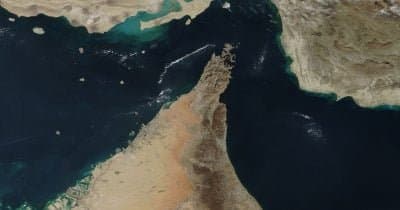
Iran's Islamic Revolutionary Guard Corps issued a direct warning this week: any military base used to launch attacks against Iran is a legitimate target for retaliation. The statement lands at a moment when the conflict involving Tehran, Washington, and Tel Aviv shows no sign of cooling.
The language is deliberate. Rather than limiting its response options to strikes within Iranian territory, the IRGC is signaling it considers the wider region fair game. That puts Gulf states hosting American and Israeli military assets in an uncomfortable position, caught between powerful neighbors and longstanding security arrangements with Washington.
What the warning actually means for the Gulf
Several Gulf states operate joint bases and facilities used by U.S. forces, making them potential nodes in any escalation scenario. The IRGC's framing doesn't name specific countries, but the implication is hard to miss. Prediction markets tracking the perceived probability of Iranian military action against Gulf states moved noticeably in the hours after the announcement, reflecting how seriously traders are pricing the risk.
Iran has made similar rhetorical moves before, but the current context is different. Active hostilities involving U.S. and Israeli forces have pushed Tehran's threshold calculations into new territory. The IRGC statement appears calibrated to deter third-party facilitation rather than announce an imminent strike, yet the line between deterrence and escalation in this region has a habit of blurring fast.
Gulf governments have not issued formal responses as of publication. Military analysts are watching for any repositioning of assets or changes in base access agreements that would signal whether the warning is being taken at face value.
This article is for informational purposes only and does not constitute financial or investment advice.