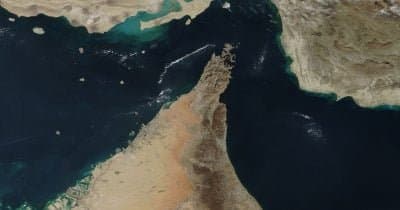
Iran has postponed negotiations with the United States concerning control over the Strait of Hormuz, a key waterway for global oil shipments. This delay appears to be a calculated move to increase political pressure on U.S. President Donald Trump, as tensions between the two countries remain high with no diplomatic breakthrough in sight.
The Strait of Hormuz, critical for nearly 20% of the world's oil flowing through it daily, serves as a strategic choke point. Iran leverages this position amid ongoing U.S. naval activity in the region. Experts note that Tehran might be aiming to influence U.S. domestic politics, likely affecting the upcoming midterm elections by escalating uncertainty and raising the cost of engagement for Washington.
Market signals reinforce this tense scenario. Trading activity reflects skepticism about a resolution soon, with the likelihood of normalized passage through the strait by the end of August dropping to just 11.5%. This stagnation correlates with concerns over possible military escalation, keeping global energy markets on alert.
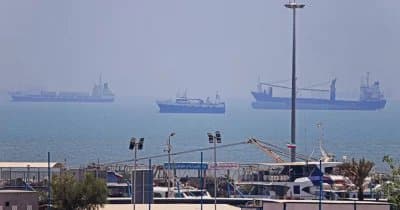
All eyes remain on any official statements or increased military movements that could signal a shift in this diplomatic deadlock. also shipping data tracking tanker transits through the region is being monitored closely for signs of easing or further disruption.