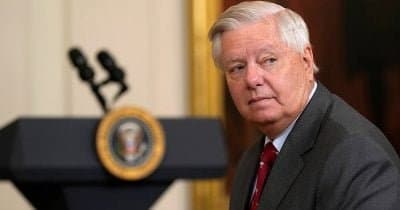
Israeli Prime Minister Benjamin Netanyahu recently shared insights from his conversation with U.S. Senator Lindsey Graham, which shed light on the complexities surrounding U.S. military aid to Israel. Graham's resistance to Netanyahu’s proposal to halt U.S. aid indicates a significant divide in the U.S. legislative approach to foreign aid management, particularly regarding the future of Israeli defense support.
The discussion highlights a pivotal moment in U.S.-Israel relations, as Israel is exploring a transition from traditional aid to a co-production model with the U.S. defense sector. Graham, who influences foreign aid through his position as chair of the Senate subcommittee, advocates for maintaining the current Memorandum of Understanding, which ensures $3.8 billion in annual aid until 2028.
This ongoing dialogue reflects broader tensions within U.S. foreign policy as it relates to military support, especially in the context of potential changes in how aid is administered. A shift from the State Department to the Pentagon in managing this aid could introduce complexities, including questions of transparency and the strategic implications of U.S. involvement in Israel's defense.
Furthermore, prediction markets suggest that the current dynamics may impact the prospects of U.S. recognition of Palestine as a sovereign state before 2027, with market pricing reflecting a diminished likelihood of this recognition amid sustained U.S. support for Israel's military needs. This development could significantly influence regional stability and the broader geopolitical landscape in the Middle East.
As this diplomatic friction continues, stakeholders will be closely monitoring any legislative actions that might arise concerning U.S. foreign aid, as well as potential declarations from U.S. officials regarding changes in aid structures. The implications of these discussions could shape the future of U.S.-Israel relations and impact the broader Middle Eastern geopolitical climate.
This article is for informational purposes only and should not be considered financial advice.