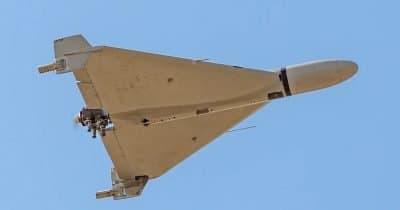
On July 16, 2026, Iranian state media announced a significant escalation in the ongoing conflict with the United States, revealing that Iranian forces targeted U.S. logistical hubs in Kuwait using drone strikes. This action shows a shift from previous engagements, marked by retaliatory strikes that primarily focused on symbolic targets.
The strikes come in the wake of a ceasefire violation in the strategically vital Strait of Hormuz. The nature of this latest assault, aimed at critical infrastructure for U.S. troop deployment, indicates an evolving military strategy by Iran, moving beyond mere maritime threats.
In the days leading up to this incident, the U.S. had intensified its military responses, bombarding Iranian positions and deploying missiles to defend its bases in the region. The implications of the Iranian drone strikes are profound, as they reflect a tactical decision by Iran to escalate military engagement at a time when tensions were already high.
Market Reactions and Predictions
Predictive markets reacted swiftly, with data from July 17 showing an 83.5% probability of further Iranian military actions against Gulf states. This statistic illustrates a growing consensus among investors and analysts that a more extensive conflict is imminent. The alignment of recent events with scenarios predicting military escalation suggests that many expect the situation to deteriorate further.
Such heightened perceptions of imminent conflict are not merely speculative; they have tangible effects on market behavior. As tensions rise, the potential for increased oil prices and volatility in Gulf region markets looms large. The conflict's trajectory will likely influence global economic conditions, particularly for countries reliant on Middle Eastern oil.
Future Developments to Monitor
As the situation unfolds, key figures such as Iranian Supreme Leader Ali Khamenei and IRGC Commander Hossein Salami will play critical roles in shaping future responses. The international community, particularly Gulf states like Saudi Arabia and the UAE, will also be watching closely. Their diplomatic responses could either exacerbate or mitigate the conflict, significantly impacting market expectations and stability.
Investors and analysts should remain vigilant, as further military actions could drastically alter the geopolitical landscape of the region.This material is for informational purposes only and should not be considered financial advice.