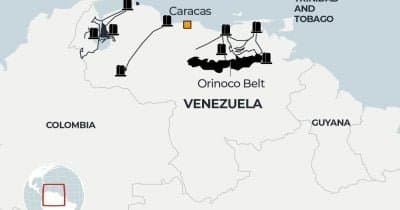
In a striking turn of events, Venezuela, a nation with the largest proven oil reserves, is seeing its economy increasingly tied to USDT, a stablecoin pegged to the US dollar. Recent figures indicate that the trading volume of USDT in the country has reached approximately 75% of its monthly oil export value, a statistic that would have seemed implausible just a couple of years ago.
The shift towards Tether reflects a broader adaptation to economic realities. As the state oil company, PDVSA, began requiring prepayments in USDT for oil sales, the usage of stablecoins gained traction. By early 2024, contracts were starting to demand half of their value in Tether, signaling a fundamental shift in how Venezuela conducts oil trade.
US Sanctions and Hyperinflation Driving Crypto Adoption
Venezuela’s struggles with hyperinflation have rendered its local currency, the bolívar, nearly worthless. This context has made USDT an attractive alternative, providing the stability that the bolívar cannot. According to economist Asdrúbal Oliveros, it is anticipated that by late 2025 or early 2026, up to 80% of the country’s oil revenue could be settled in USDT. This shift shows a desperate search for alternatives amidst stringent US sanctions that have effectively cut the nation off from global financial networks.
Notably, data from Chainalysis shows that Venezuela recorded a staggering $44.6 billion in cryptocurrency transactions in the year leading up to June 2025. This not only highlights the increasing reliance on digital currencies in everyday transactions but also raises concerns about the implications for compliance with international regulations.
The Global Implications of Venezuela's Crypto Landscape
The rise of USDT in Venezuela carries broader implications for the global crypto market. It serves as a clear validation of the role stablecoins can play in real-world commerce and the settlement of commodities. However, it also provides regulators with a compelling argument that cryptocurrencies may facilitate sanctions evasion. As traditional oil market intelligence struggles with tracking shipments and financial flows, the opaque nature of on-chain settlements complicates regulatory oversight.
As Tether continues to hold sway in emerging and sanctioned markets, its dominance raises questions about compliance and transparency. Competitors like Circle's USDC aim to position themselves as compliant alternatives, yet USDT's entrenched use in Venezuela creates a usage moat that is challenging to overcome.
This piece is for informational purposes only and should not be considered financial advice.