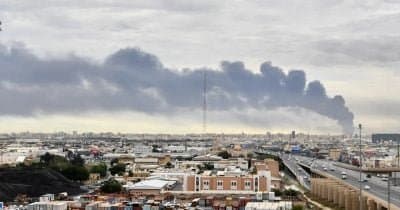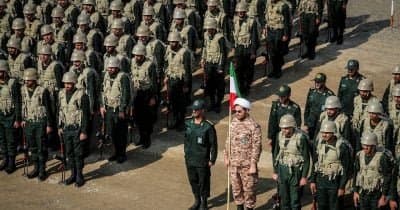
On July 18, 2026, the US Army targeted units of Iran's Islamic Revolutionary Guard Corps (IRGC), accusing them of attacks on American personnel in Jordan. This military move marks a notable escalation in tensions that have intensified since the ceasefire collapse in June 2026.
The strikes follow a wave of Iranian ballistic missile and drone assaults on US bases across Jordan, Bahrain, and Kuwait, signaling a transition from proxy engagements to more direct military confrontations. This shift raises the stakes for regional stability and highlights a deteriorating security environment in the Gulf.
Implications for Regional Security and Markets
The targeting of IRGC units shows a US strategy aimed at degrading Iran's military capabilities, which could provoke retaliatory actions and widen the conflict scope. Market participants are pricing in a higher probability of Iran extending its military operations against Gulf states, reflecting growing geopolitical uncertainty.
Ballistic missiles and drones represent advanced offensive tools, indicating Iran’s readiness to escalate beyond previous engagement patterns. Such dynamics create volatility risks for investors, particularly in energy and defense sectors sensitive to Middle East disruptions.
Observers are watching for Iran’s response and the possibility of increased military activities involving Gulf countries. Diplomatic efforts by regional actors like Qatar or Oman might moderate tensions but remain fragile. Any breakthrough or deterioration in talks will likely shift market expectations and risk assessments.
The continuing conflict's trajectory could influence global energy supplies and investor sentiment, underlining the interconnectedness of geopolitical events and financial markets. For example, Iran's previous strikes on Kuwait bases have already reshaped military risk calculations in the region.
This material is informational and not financial advice.