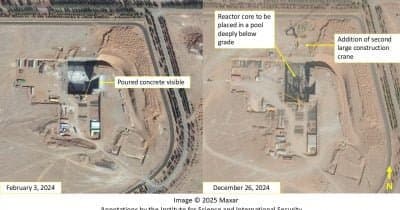
US forces struck Iran’s Darkhovin nuclear power plant early on July 19, 2026, marking a sharp escalation in the ongoing campaign against Iranian nuclear infrastructure. Multiple projectiles hit the facility in Khuzestan province, according to the Atomic Energy Organization of Iran, though details on damage remain scarce.
The Darkhovin plant, long delayed, was designed for a modest 300 to 360 MW capacity. It had already faced setbacks including China withdrawing reactor designs. Now it has become a focal point in the intensifying geopolitical conflict that has spanned since mid-2025.
These military actions are not without precedent in crypto markets. Past strikes against Iran’s nuclear facilities in mid-2025 and early 2026 triggered massive sell-offs, resulting in crypto long liquidations estimated between $595 million and $700 million. Bitcoin has absorbed the bulk of this volatility, given its liquidity and dominance in leveraged trading.
Iran’s crypto infrastructure depends heavily on cheap electricity for Bitcoin mining. Previous strikes led to power outages that disrupted mining operations, exposing how geopolitical risks can translate into real-world impacts on global hashrates. The power grid's fragility means a similar outage following this strike could reduce Iran’s mining output, adding downward pressure on Bitcoin’s network performance.
on top of that, Iran’s crypto ecosystem serves a dual role: circumventing international sanctions and facilitating state-linked financial flows outside traditional banking oversight. Heightened military tension has prompted blockchain analysis firms to increase surveillance of Iranian crypto activity, complicating asset movements and increasing regulatory scrutiny.
For investors, these developments highlight the need for caution. Leveraged positions in Bitcoin and major altcoins are especially vulnerable to sudden market shocks arising from geopolitical instability. Monitoring market reactions over the coming 48 hours will be key for risk management.
Recent analysis on military escalations shows how fragile market stability remains amid such conflicts.
This material is informational and not financial advice.