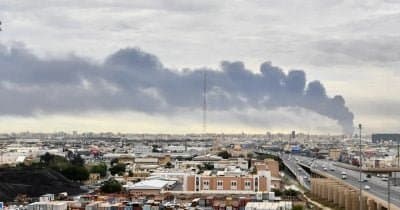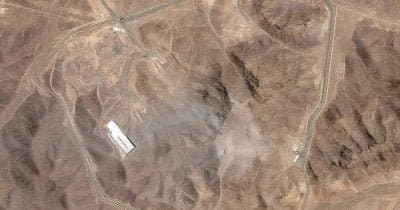
President Donald Trump’s recent declaration that the United States is poised to strike any Iranian nuclear site represents a decisive shift in Washington’s 2026 strategy. This stance moves beyond containment towards outright dismantlement of Iran’s nuclear infrastructure, signaling a readiness for preemptive military action rather than diplomatic engagement.
Escalation and Market Implications
The breakdown of the US-Iran peace agreement in June 2026 set a volatile stage. Trump’s announcement intensifies this volatility by reducing the chances of a diplomatic resolution within the year. Markets have reacted accordingly, pricing in a diminished likelihood of any deal as the threat of strikes adds uncertainty to regional stability and global energy supplies.
This militarized posture could destabilize trading environments, especially for assets sensitive to Middle East conflicts such as oil and related commodities. Investors might see increased risk premiums as the conflict’s scope widens, potentially leading to higher volatility across sectors indirectly tied to geopolitical developments.
Strategic Consequences for Regional Security
The US approach now suggests a strategy aimed at preventing Iran from regaining nuclear capabilities rather than managing them through negotiation. This raises the stakes for Tehran, which may respond by accelerating its nuclear program or adopting more aggressive postures, further complicating prospects for peace.
Close monitoring of official statements from US and Iranian authorities is key. Any shifts in rhetoric or military action could rapidly reshape the conflict’s trajectory and influence market expectations. The region’s fragile balance depends on these signals.
This material is informational and does not constitute financial advice