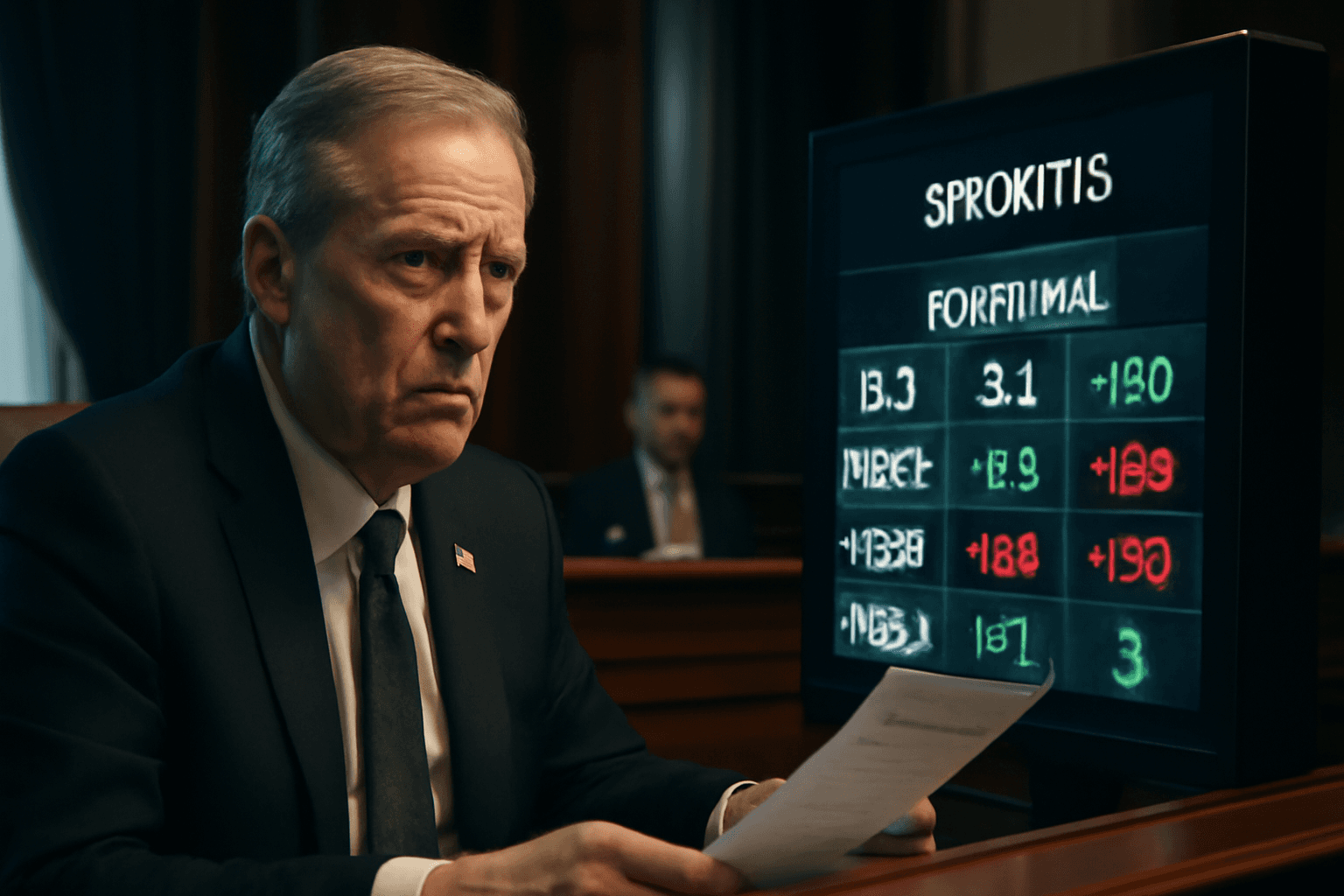
“The CFTC has strong authority, no new laws needed,” asserted Robert Schwartz, a leading voice defending sports contracts in a recent House Agriculture Committee hearing. Yet, this confidence contrasts sharply with escalating pressure from gaming lobbyists aiming to shut down platforms like Kalshi and Polymarket, alleging these prediction markets function as disguised sports betting. The committee’s focus on customer protections and market integrity reflects the growing tension between innovation in event-based contracts and existing gambling regulations. The hearing signals a key moment where policymakers must clarify how far federal oversight extends over these emerging financial instruments.
The clash hinges on legal definitions and jurisdictional boundaries. Gaming associations argue that Kalshi and Polymarket’s contracts mimic conventional wagers, thus bypassing gambling laws enforced at the state level. In response, legal specialists emphasize the Commodity Futures Trading Commission’s (CFTC) existing authority under the Dodd-Frank Act to regulate derivatives-like contracts and prohibit those that contravene public interest. This interpretation would centralize oversight and potentially shield prediction markets from state-level crackdowns, but leaves unresolved the broader question of how to balance innovation with consumer protections in a rapidly evolving digital space.
The stakes are significant for market participants and the broader crypto ecosystem. If Congress opts to restrict sports-related contracts on regulated exchanges, platforms could face drastic business model limitations or forced pivots, reducing market liquidity and innovation. Conversely, affirming the CFTC’s authority without new legislation could provide regulatory clarity, encouraging growth while imposing necessary safeguards. This debate echoes challenges seen in other sectors where regulatory lines shape market expectations and product offerings. Meanwhile, emerging models like Hyperliquid’s permissionless, validator-approved onchain markets hint at alternative pathways around centralized regulatory friction.
As testimony unfolds, it will shape congressional understanding of digital asset contracts' legal classifications and the balance between federal and state powers. The outcome carries implications beyond sports prediction markets, potentially influencing how digital derivatives and financial innovation intersect with gambling laws in the US. Investors and operators should watch closely, as regulatory clarity or restriction could recalibrate the accessibility and legality of event-based financial products.
This material is informational and not financial advice.