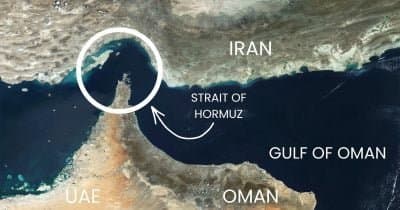
The recent military escalation between the United States and Iran has reignited fears regarding the security of oil shipments through the Strait of Hormuz, a critical artery for global oil supply. Following a series of Iranian attacks on commercial vessels, the U.S. responded with airstrikes on nearly 90 Iranian targets, a move that has triggered significant market reactions. In retaliation, Iran launched missile and drone strikes targeting U.S. assets across multiple Middle Eastern nations. This tit-for-tat escalation has resulted in an observable spike in oil prices, with Brent crude surpassing a 5% increase to over $78 per barrel before experiencing a slight correction.
The immediate implications for oil markets are profound. The West Texas Intermediate (WTI) crude oil prices have responded sharply to these tensions, indicating that market participants are not only reacting to current events but are also pricing in the possibility of further escalations. Prediction markets reflect a range of scenarios, with some foreseeing a considerable rise in prices if the conflict continues to escalate. This cautious market sentiment suggests a growing concern over potential disruptions to oil supply, despite the Strait of Hormuz remaining open for now.
Adding another layer of complexity, the U.S. has recently revoked a 60-day sanctions waiver on Iranian oil sales, which could tighten the already fragile supply dynamics in the market. This revocation not only signals a more aggressive U.S. stance but also implies that market participants should brace for tighter oil supplies in the near future. The current geopolitical climate further complicates the outlook for oil prices, as analysts now monitor various indicators closely, including statements from both the U.S. and Iran that might hint at future military actions or attempts at negotiations.
Looking ahead, the fluidity of the situation calls for vigilance. Key factors to watch include official announcements regarding military escalations, the operational status of the Strait of Hormuz, and any strategic decisions made by OPEC+ that could impact oil production levels. Additionally, fluctuations in global oil inventories and evolving demand forecasts will be crucial in determining price trajectories. As such, the intersection of geopolitical tensions and market dynamics creates a complex environment for investors and stakeholders in the oil sector.
This article is for informational purposes only and should not be considered financial advice.