On July 16, 2026, US airstrikes targeting Iranian civilian infrastructure triggered a rapid decline in the cryptocurrency market, with Bitcoin falling over 2% to around $62,000. This sudden movement resulted in approximately $350 million in liquidations, highlighting the volatility that geopolitical tensions can inflict on digital asset markets.
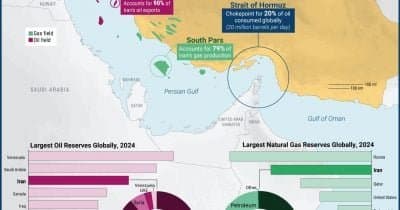
The airstrikes, which affected the Bandar Abbas-Khorstan-Lar bridge and the surrounding areas, disrupted power supply and escalated the ongoing conflict in the Strait of Hormuz. This strait is critical for global energy, with 20% of the world’s oil passing through it, making any instability particularly concerning for investors. Iran’s stern reaction indicates that this situation will not resolve quickly, suggesting prolonged tensions ahead.
Geopolitical Risks and Market Reactions
The recent liquidation event, although significant, is a reminder of the inherent risks in leveraged trading, especially in a market sensitive to geopolitical events. Investors are left to consider how future conflicts could further impact their positions. The swift downturn was not just a financial reaction but also a response to increasing uncertainty regarding Iran's future actions in response to US sanctions.
With Iran utilizing cryptocurrencies for toll collection in the Strait of Hormuz specifically Bitcoin, USDT, and yuan its financial strategy is increasingly intertwined with digital assets. This development became more pronounced after the US Treasury sanctioned Nobitex, Iran’s largest digital asset exchange, in June 2026, which linked it to facilitating sanctions evasion. This action signals that US authorities are willing to target crypto infrastructures connected to adversarial states, potentially jeopardizing investments related to Iranian cryptocurrency transactions.
Implications for Investors
The sanctions against Nobitex serve as a clear warning for crypto exchanges and related platforms. As Iran continues its cryptocurrency-based toll collection, the likelihood increases that regulatory pressures will mount on any entity involved in Iranian-linked transactions. This creates compliance risks that could extend to exchanges dealing with otherwise legitimate transactions.
Investors should remain vigilant, as the ongoing tensions in the region not only affect oil prices but also carry significant implications for the crypto market. The combination of regulatory scrutiny and geopolitical volatility may create a challenging environment for trading and investment strategies in the near future.
This material is for informational purposes only and should not be considered financial advice.