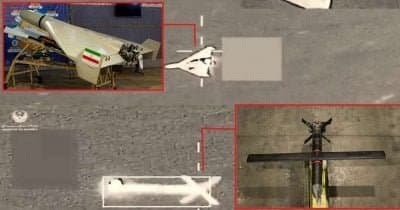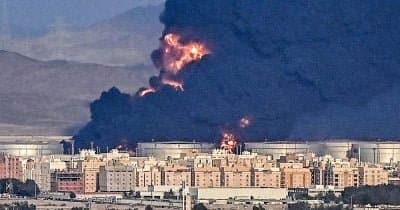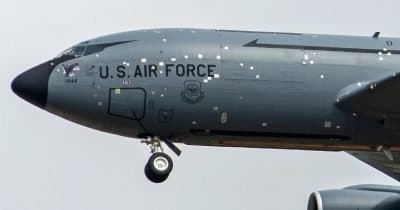
On July 17, 2026, the United States moved approximately 90 KC-135 and KC-46 refueling aircraft to Israel. This repositioning prepares for potential airstrikes targeting Iran's nuclear facilities amid the escalating 2026 Iran United States war.
The redeployment follows the breakdown of a fragile ceasefire after Iran attacked US bases. President Donald Trump declared the interim agreement over, signaling a strategic shift toward intensified military engagement.
Increasing aerial refueling capacity directly enhances the operational reach and sustainability of US air campaigns. This suggests plans for broader and more frequent attacks to degrade Iran's nuclear capabilities, aiming to compel Tehran's capitulation through overwhelming force despite Iran dismissing these efforts as psychological warfare.
Market indicators reflect skepticism about an imminent end to the Iranian blockade, with only a 7.5% probability the US will lift it by July 24, 2026. This low likelihood shows continuing geopolitical tension and the potential for further escalation or prolonged conflict.
The situation remains highly fluid. Official US announcements about the blockade and Iran's retaliatory measures could substantially affect military and economic dynamics. Statements by key figures like Trump and Iran's Supreme Leader Khamenei are closely watched for cues on future developments.
This latest military preparation reiterates the hardening stance of the US-Israel alliance against Iran's nuclear ambitions. The repositioning of vital refueling assets indicates sustained air operations rather than limited strikes, potentially prolonging uncertainty in the region and affecting global markets sensitive to Middle East stability.
Escalating U.S.-Iran conflict inflates oil market risks also highlights how these developments could ripple into energy prices and broader economic volatility.
This article is informational and does not constitute financial advice.