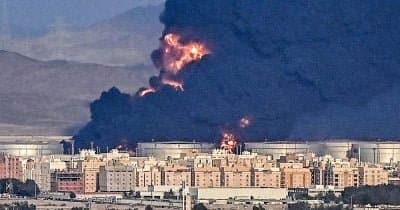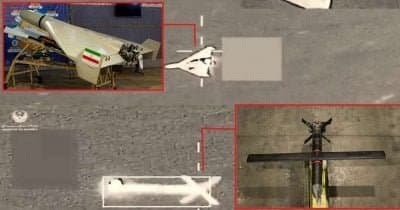
An Iranian Shahed-136 drone was recently spotted flying toward an undisclosed target in the Gulf region, coinciding with reports of fires in Jordan and emergency sirens in Saudi Arabia and Qatar. This event highlights escalating tensions that could destabilize the already fragile security environment in the area.
Context of Iranian Drone Deployments
The Shahed-136 drone is part of Iran’s expanding arsenal aimed at asserting influence over Gulf states allied with the United States. Following the US-Israel conflict earlier this year, Iran has increasingly employed such drones to probe and challenge regional air defenses. These unmanned attack vehicles are designed for one-way missions targeting critical infrastructure, signaling a shift toward asymmetric warfare tactics in the region.
The fragile ceasefire between Israel and Iran continues to wobble, with drone operations like this one underscoring ongoing hostilities. The coordinated timing of the drone’s flight with incidents in neighboring countries suggests Iran may be adopting a multi-front strategy to pressure Gulf allies of the US, raising concerns about potential escalation or direct military engagement.
Market indicators reflect this unease. On July 18, prediction markets assigned an 88.5% probability to Iranian military action against a Gulf state. This figure quantifies expectations of a near-term conflict escalation, which could have wide-reaching implications for regional security and global energy markets.
Monitoring responses from Saudi Arabia, Qatar, and other Gulf actors will be critical for assessing whether tensions will escalate further or if diplomatic efforts might restore some stability. Official statements from involved governments will heavily influence market perceptions and geopolitical risk assessments.
Rising Gulf tensions threaten energy and security stability, a factor investors and analysts must weigh as the situation evolves.
This material is informational and does not constitute financial advice.