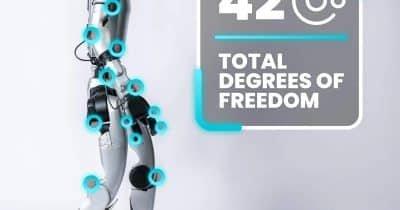
In a remarkable move, Unitree Robotics has received the green light for its IPO, indicating a pivotal moment for China's robotics sector. The company's recent approval from the China Securities Regulatory Commission on July 3, 2026, to list on the Shanghai STAR Market aims to raise approximately 4.2 billion yuan, or around $619 million. This approval process took a record-breaking 73 days, spotlighting regulatory support for homegrown tech ventures in the rapidly evolving landscape of artificial intelligence.
Strategic Financial Insights
Examining Unitree's financial performance offers valuable insights into its growth trajectory. The firm reported revenues of 1.699 billion yuan (approximately $250 million) for fiscal year 2025 and a net profit of 278 million yuan (about $41 million). Notably, humanoid robots have significantly contributed to revenue, rising from representing 27.6% of total earnings in 2024 to a robust 51.5% in the first three quarters of 2025. Such rapid growth suggests a promising trend in commercial adoption and showcases Unitree's potential as a leader in the market.
Market Implications and Broader Context
The swift approval of Unitree's IPO comes at a time when there is a resurgence in Chinese public offerings, with another notable listing occurring in the same week. This reflects a renewed confidence in the Chinese tech ecosystem and could set the stage for increased investments in the technology sector. The STAR Market, crafted as China’s alternative to the Nasdaq, is designed for innovative companies, particularly those that are still on their path to achieving profitability. Notably, Unitree's profitability positions it better than many of its peers seeking to enter the market.
Future Outlook
Looking ahead, the funds raised from this IPO are earmarked for critical areas including AI model research, development of robot bodies, the introduction of new product lines, and the establishment of a smart manufacturing base. The approval is valid for 12 months, allowing Unitree the necessary time to finalize its listing and capitalize on the current momentum.
As the company continues to innovate within the humanoid robotics segment, its ability to capture growing consumer demands may redefine future market trajectories and investor sentiments. The leap in humanoid robot revenue points to a paradigm shift that analysts outside of China may not yet fully comprehend, potentially altering forecasts about AI hardware growth in the coming years.