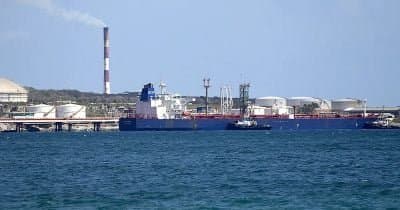
Ukrainian forces have intensified their offensive in the Black Sea by targeting two Russian oil tankers, a move that signals a strategic escalation aimed at undermining Russia's energy exports. This operation is not an isolated event but part of a broader campaign targeting Russia’s so-called 'shadow fleet,' vessels used to bypass international sanctions imposed on Russian crude oil shipments. By hitting these tankers, Kyiv aims to disrupt key supply chains and increase the economic pressure on Moscow amid ongoing hostilities.
Strategic Implications for Energy Security and Regional Stability
The significance of these attacks extends beyond immediate military confrontations. They coincide with persistent Russian aerial assaults on Ukrainian port cities, compounding risks to navigation and security in the Black Sea, a vital corridor for global oil transport. The disruption of Russian oil shipments may tighten global supply, potentially driving volatility in oil prices, with ripple effects for markets worldwide. Particularly vulnerable are routes adjacent to NATO member Turkey, where heightened military activity could further destabilize maritime traffic.
This development also correlates with market sentiments suggesting that Ukraine's enhanced military capabilities and resolve might reduce the probability of Russian forces capturing key Ukrainian territories, such as Sloviansk, by the end of 2026. Such military dynamics influence investor expectations and could shift energy market pricing as the conflict evolves.
Monitoring these engagements is key as any significant Ukrainian successes or escalated NATO support might recalibrate the geopolitical landscape, affecting international sanctions and intelligence assessments. Investors and analysts should watch for changes in these areas to gauge potential impacts on global energy flows and regional security.
This material is informational and does not constitute financial advice.