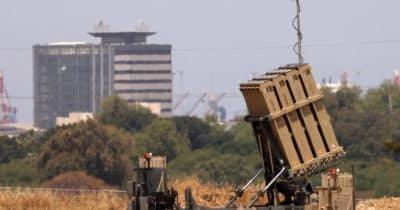
NATO has initiated a counter-drone marketplace aimed at enhancing defense capabilities among its member nations, responding to the evolving nature of warfare influenced by drone technology. This pilot project not only seeks to modernize the procurement processes of the alliance but also reflects a significant shift in how military technologies are acquired and deployed.
Significance of the Counter-Drone Marketplace
This initiative is particularly important as it addresses the urgent need for effective drone defense systems amid escalating drone warfare tactics. By providing a streamlined shopping experience for member countries to acquire vetted counter-unmanned aerial systems (C-UAS), NATO enhances interoperability among its forces and accelerates access to crucial defense technologies.
- Selection of up to 18 systems within 1-2 months of proposals.
- Target for contract agreements set for summer 2026.
- Support for smaller nations through funding and leasing options.
Impact on Defense Technology Companies
The establishment of this marketplace presents a lucrative opportunity for defense technology firms specializing in C-UAS solutions. Companies that secure a position in the initial vendor pool will benefit from NATO’s endorsement, serving as a powerful credential that enhances their marketability not only within member states but potentially beyond. As nations prioritize drone defense capabilities, those that fail to compete effectively in this selection may find themselves at a competitive disadvantage until future procurement cycles arise.
Moreover, this initiative coincides with the United States launching its own JIATF 401 Drone Defense Marketplace, indicating a broader trend in which allied nations are actively seeking to bolster their defense technologies against emerging threats.
Looking Ahead: Potential Developments and Questions
The evolution of NATO’s counter-drone marketplace could set the stage for similar initiatives in other technological areas, reshaping defense procurement across the alliance. As member nations engage in interoperability trials and testing exercises, such as those in Romania, stakeholders should watch for the outcomes of contracts finalized in summer 2026 and their implications for future defense strategies.
The material is for informational purposes only and does not constitute financial advice.