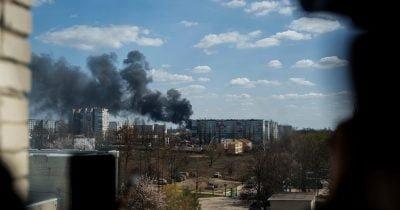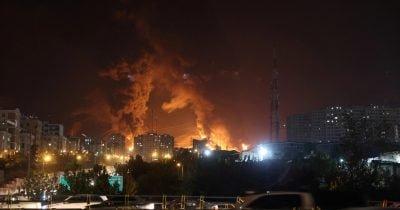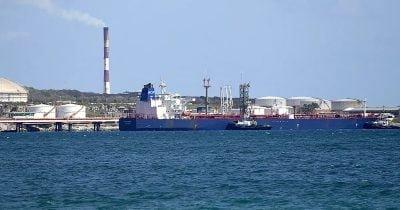
The ongoing conflict between Ukraine and Russia has recently escalated, with Ukraine targeting a Russian tanker in the Sea of Azov. This incident forms part of Ukraine's larger strategy, known as the 'logistics lockdown,' which aims to disrupt Russian oil supply lines to Crimea. The significance of this event extends beyond a singular attack; it may reflect a pivotal shift in military operations in the region.
Contextualizing the Sea of Azov Conflict
Since Russia's annexation of Crimea in 2014, the Sea of Azov has been a critical zone for both nations. Control over this maritime area has allowed Russia to maintain a strategic advantage, facilitating the transport of goods and military supplies. However, as Ukraine steps up its operations reportedly affecting over 70 Russian vessels this balance is being challenged. The Ukrainian military's recent actions suggest not just an increase in operational capabilities, but also a growing confidence in retaking control of its territories.
Market Implications of Military Escalation
The targeting of the Russian tanker may have wider implications for market perceptions surrounding the conflict. Recent pricing trends indicate a rising likelihood that Ukraine could regain control over Crimea by the end of 2026. Investors are likely to be monitoring these developments closely, as increased military activity could lead to volatility in energy markets and related sectors. A successful campaign by Ukraine to disrupt Russian logistics may result in tighter oil supplies, further impacting global energy prices.
Potential Consequences and Future Outlook
The response from the Russian Ministry of Defense will be crucial in shaping the next steps in this conflict. Any retaliatory measures could escalate military tensions in the Sea of Azov, leading to further instability in the region. Furthermore, changes in diplomatic engagements between the two nations could influence prediction markets significantly. Observers will need to watch for any shifts in ceasefire discussions or negotiations that may emerge as a result of these military actions.
This analysis is informational and should not be construed as financial advice.