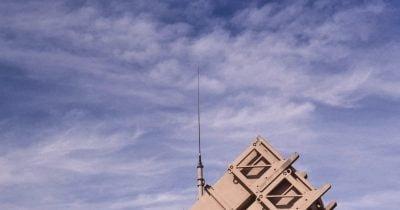
Ukraine's recent inability to intercept Russian ballistic missiles highlights a significant deterioration in its air defense capabilities. The key factor in this shortfall appears to be a critical shortage of Patriot missile systems, which have been essential in countering aerial threats from Russia. As these missiles are reportedly depleted amid escalating Russian attacks, the risk to Ukraine’s infrastructure and civilian safety becomes alarmingly pronounced.
This development not only signals potential vulnerabilities within Ukraine's military defenses but also raises implications for broader NATO security dynamics. The ongoing Russo-Ukrainian conflict, now entering its fourth year, is marked by intensified aerial bombardments from Russian forces, prompting observers to consider the ramifications of Ukraine's defense shortfalls. A lack of viable interception systems could embolden further strikes on key urban areas, leading to heightened casualties and infrastructural damage.
Market Implications of Increased Military Tension
Financial markets are likely reacting to the perceived escalation in NATO-Russia tensions, as the trajectory of this conflict could influence international investment sentiment. The pricing of various assets suggests a growing unease regarding potential military confrontations, which could have adverse effects on market stability. Should Ukraine's defense challenges persist, or if new Russian missile barrages occur, we may see an even more pronounced ripple effect across financial instruments associated with geopolitical risk.
Future Developments to Watch
- Monitoring NATO’s response to the evolving situation in Ukraine is critical; any shifts in military posture could indicate increased engagement in the conflict.
- The potential acquisition of additional Patriot missile systems is also significant. If negotiations accelerate, it could alter the current balance of power.
- Continued missile strikes or shifts in Russian military strategy should be scrutinized for their potential to raise tensions further.
Investors and analysts must remain vigilant as the class of events will likely shape the regional geopolitical landscape and, by extension, affect broader financial markets. As emphasized in other discussions, such as what Ukraine's drone strikes mean for military forecasts and energy markets, the fluid nature of conflict in this region demands careful observation.