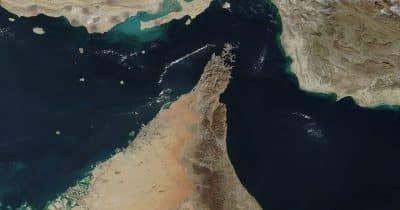
The ongoing conflict in Iran has delivered a substantial shock to the global oil market, leading to a loss exceeding one billion barrels of supply. This disruption is primarily due to the closure of the Strait of Hormuz, a strategic chokepoint accounting for a significant portion of global oil shipments. As a result, although immediate price spikes have not materialized, the market faces growing uncertainty regarding potential future increases.
Cautious Market Sentiment Amid Supply Disruption
Currently, market sentiments appear cautiously optimistic. According to a recent Reuters report, the prediction market for crude oil reaching an all-time high by September 30 has dipped to a probability of just 2.5%, down from 10% a week prior. Conversely, the likelihood of this event occurring by December 31 stands at 7.5%, indicating a slight rise in perceived risk for the longer term. While the immediate effects of the conflict have been managed to some extent, the depletion of emergency reserves may present challenges moving forward.
Implications of Geopolitical Developments
Future pricing dynamics will intrinsically connect to geopolitical stability in the Middle East and decisions made by key oil players such as OPEC. The upcoming OPEC meeting on August 2 will likely clarify production adjustments and could significantly influence market expectations. Moreover, any shifts in the production policies from OPEC, combined with changes in global demand driven by geopolitical events, will be critical in shaping market perceptions and price trajectories.
Key Factors to Monitor
- Ongoing geopolitical developments and their impact on oil supply will remain paramount.
- Production decisions by OPEC and coordination among member states under leaders like Secretary General Mohammad Sanusi Barkindo.
- The interplay of global demand trends in response to Iranian geopolitical dynamics.
Participants in the oil market should stay informed about geopolitical tensions, as they are likely to maintain pressure on prices in both the short and long term. The market's current attitude reflects a delicate balance between the risk of future price volatility and the apparent stability brought about by recent supply management efforts.