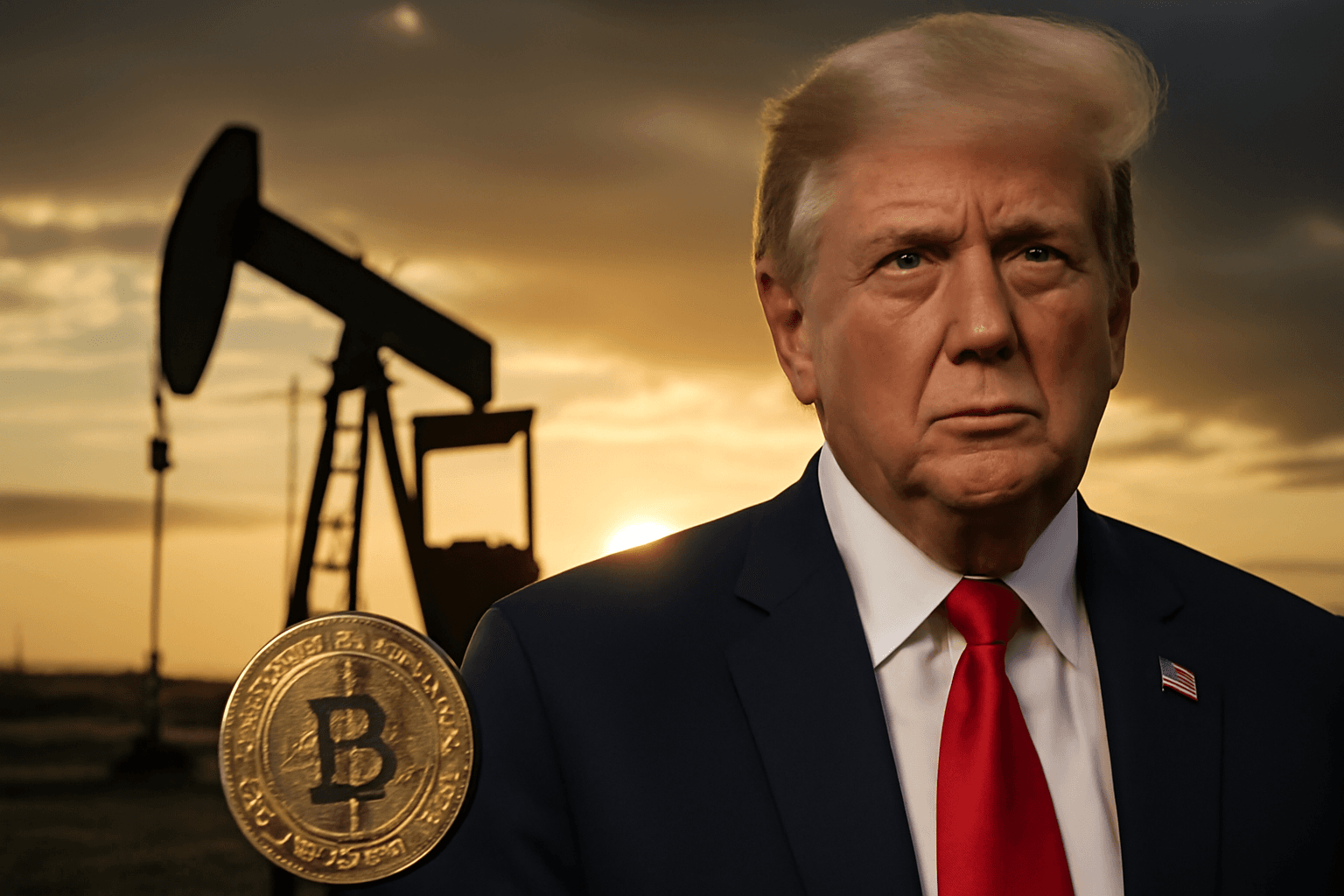
The geopolitical landscape took a sharp turn this week as President Donald Trump announced the end of a ceasefire with Iran, coinciding with a notable spike in Brent crude prices and a drop in Bitcoin value. On July 13, Brent crude surged above $83 per barrel as tensions flared after U.S. Central Command conducted airstrikes on Iranian military installations.
Since the ceasefire's collapse around July 7, U.S. forces have targeted over 170 Iranian sites, including air defenses and missile storage locations, in response to Iran's aggressive actions against commercial vessels in the Strait of Hormuz. Iran's attacks on tankers, including those from Saudi Arabia and Qatar, were framed as a warning against perceived violations of its shipping corridors. The U.S. views these actions as unjustified threats to maritime security.
Trump's declaration, made during a NATO summit in Ankara, emphasized a zero-tolerance policy moving forward, suggesting a stark retaliatory stance against Iran while leaving the door open for dialogue. The rhetoric has heightened fears of escalating military conflict, which markets are increasingly pricing into oil valuations. Investors are wary as the Strait of Hormuz is a critical conduit for nearly 20% of the world's oil supply, and any disruption could have significant ramifications for global energy markets.
Brent crude’s jump of over 10% reflects these concerns, with West Texas Intermediate Crude also seeing a rise. Energy stocks have performed relatively well, buoyed by the anticipation of prolonged supply disruptions. Meanwhile, bond yields are creeping up, suggesting a broadening concern among investors regarding inflation driven by rising oil costs.
In a strategic shift, the UAE is reportedly accelerating efforts to reduce its dependency on Hormuz for trade, a move that could reshape regional energy dynamics. The UAE Minister of Foreign Trade highlighted ongoing plans to route trade away from the strait entirely, reflecting a proactive approach to mitigate risks associated with the current tensions.
Bitcoin, however, faced its own challenges amid the heightened geopolitical risks, sinking below $62,000. Market participants are questioning the cryptocurrency's ability to hold value during periods of instability, as seen in its drop to $61,750. The interplay between traditional commodities and crypto assets continues to evolve, with each reacting to the other's fluctuations.
The implications of these developments are profound: sustained oil price increases could strain global supply chains and the broader economy, while the cryptocurrency market may face increased volatility as investors navigate uncertain waters. As tensions remain high, the interconnectedness of these markets will be closely monitored by both traders and policymakers.
This material is for informational purposes only and does not constitute financial advice.