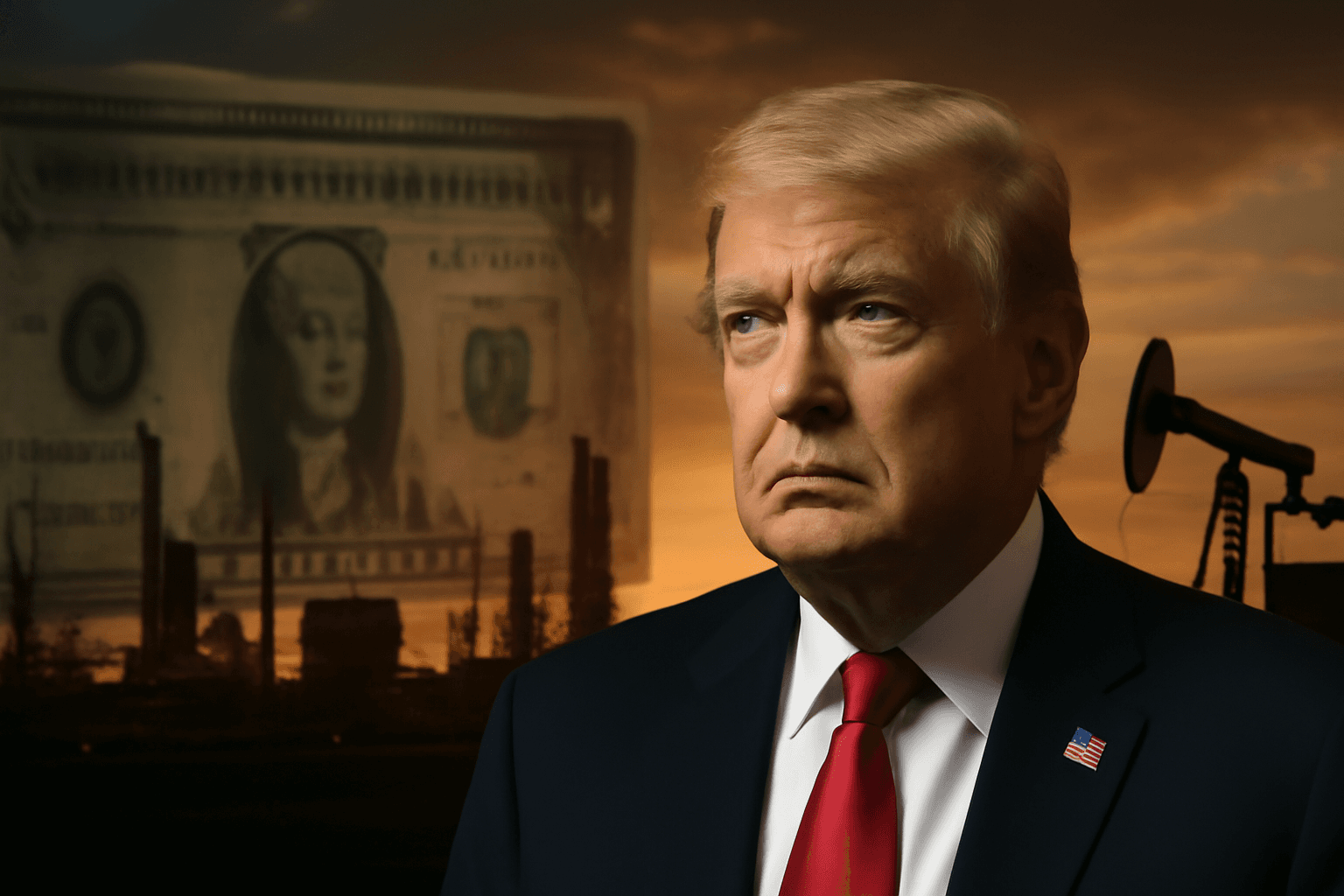
President Donald Trump's recent call for financial compensation from allies highlights a significant shift in U.S. foreign policy regarding energy security. The Strait of Hormuz, a crucial maritime chokepoint for global oil shipments, is currently under the protection of the United States. Trump's assertion that the U.S. deserves compensation for its security efforts underscores the rising costs associated with maintaining stability in a region fraught with geopolitical tensions, particularly with Iran.
This appeal for monetary support raises several implications for international relations and energy markets. As the U.S. grapples with the economic burden of safeguarding trade routes, it signals a potential pivot towards a more transactional approach in its alliances. Wealthy nations benefiting from the free flow of oil may need to reconsider their commitments and contributions to U.S. military operations in these vital areas. The ongoing tensions in the region only amplify the urgency for the U.S. to reassess its role and the expectations it has of its allies.
The backdrop of this discussion involves not just military expenditures but also the broader implications for global energy markets. Should the United States enforce a system where financial compensation becomes the norm for security services, this could alter the dynamics of energy trading and influence pricing structures worldwide. Moreover, as showcased in other contexts, such as the renewed U.S. blockade impacting oil supplies, any significant changes in energy policy can ripple through to consumer prices and market stability.
The potential for implementing a global payment system for military protection creates an entirely new landscape for international diplomacy and energy economics. Countries relying on U.S. security may seek to negotiate terms, impacting how alliances are formed and maintained. If allies resist this shift, it could lead to increased tensions and a reevaluation of U.S. commitments in the region.
This article is for informational purposes only and does not constitute financial advice.