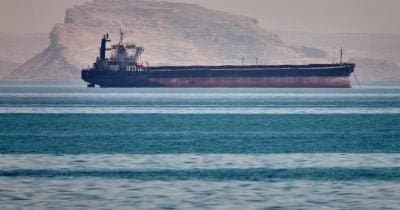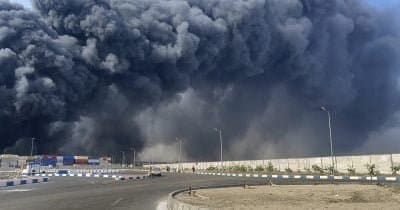
The United States is set to reimpose a blockade on Iranian ports starting July 14 at 4 PM ET, as reported by The Wall Street Engine. This development is rooted in the ongoing geopolitical tensions between the U.S.-Israel alliance and Iran, which recently escalated following a naval blockade enacted earlier in April 2026. Although the blockade was lifted in June after a ceasefire agreement, this potential re-blockade raises questions about regional stability and oil market dynamics.
Market participants are already reacting to the implications of renewed tensions, as indicated by shifts in prediction markets concerning the Strait of Hormuz. Since the blockade's initial lifting, the normalization of traffic through this critical maritime chokepoint had seemed increasingly likely. However, recent predictions reflect a decrease in this likelihood, with only a 15.5% chance of a 'YES' outcome by August 31.
Observers must note the discrepancies surrounding the reported blockade, which contradict established timelines. This inconsistency raises concerns about the credibility of the information and its potential impact on market behavior. As traders assess the situation, it's crucial to monitor official statements from both the U.S. government and Iranian authorities to clarify the current status of the blockade.
Furthermore, the ongoing negotiations regarding Iran's nuclear program could significantly influence future developments. Statements from leaders such as Ayatollah Ali Khamenei or U.S. President Donald Trump could sway market expectations surrounding the Strait of Hormuz. Tracking real-time data on maritime traffic through vessel trackers will provide essential insights into the actual situation as events unfold.
This article is for informational purposes only and is not financial advice.