The recent policy changes enacted by the Trump administration are proving transformative for the cryptocurrency market, particularly during a challenging downturn. With the introduction of stablecoin legislation, the push for futures contracts, and the proposal of a crypto ETF, Wall Street is displaying an increasing engagement with digital assets.
The GENIUS Act, signed in July 2025, is a pivotal development as it established the first comprehensive federal regulatory framework governing stablecoins. This regulatory clarity has not only facilitated the introduction of new trading products but has also encouraged institutional investors to explore crypto trading more aggressively than ever before.
For instance, in May 2025, CME Group launched XRP futures, with impressive first-day trading volumes surpassing $19 million. This was followed by the introduction of Solana futures in September and options contracts in October 2025. Such products are tailored primarily for institutional traders, hedge funds, and asset managers, indicating a significant pivot in market participation.
Additionally, the Trump Media and Technology Group's submission for a “Crypto Blue Chip ETF” allocated roughly 70% to Bitcoin, 15% to Ethereum, and smaller portions to Solana, XRP, and Cronos highlights growing interest in bundled crypto investment vehicles.
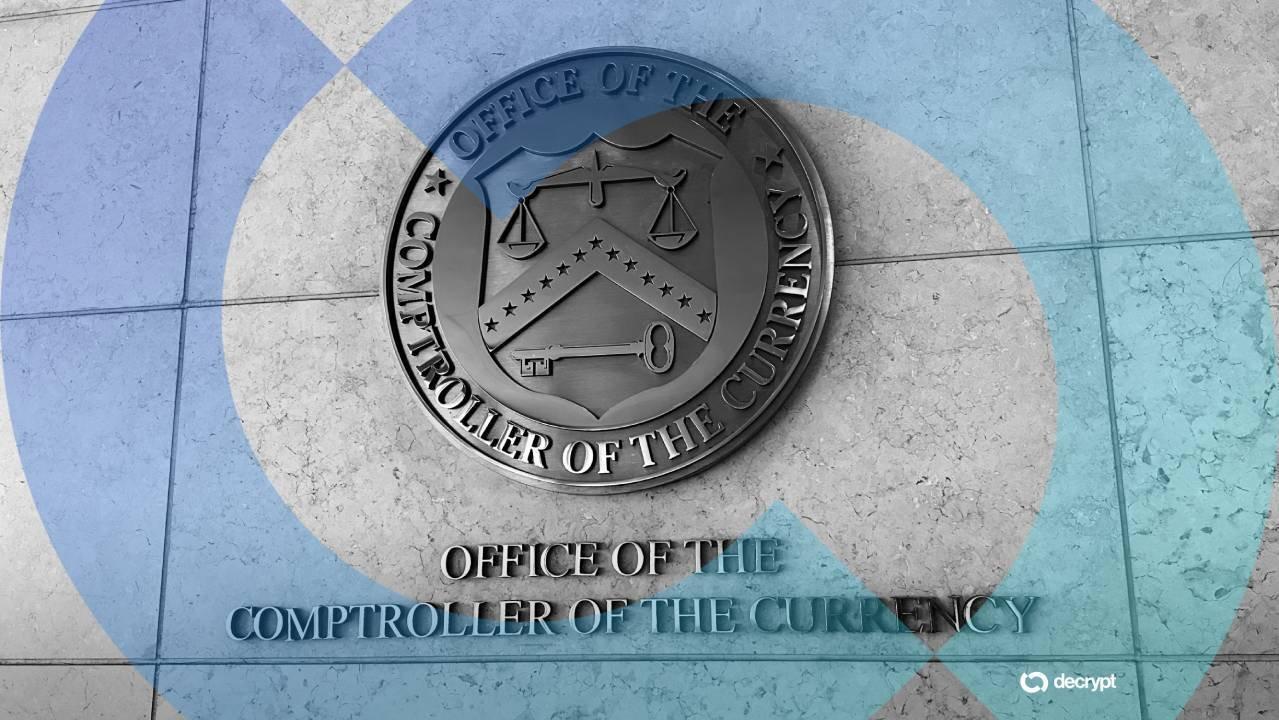
Behind the scenes, a report from the White House Working Group on Digital Asset Markets dated July 30, 2025, emphasized the urgent need for the SEC and CFTC to provide clear guidance on digital asset trading. This report also advocated for the development of regulatory frameworks specific to decentralized finance (DeFi), encouraging regulatory bodies to adapt rather than apply existing securities laws indiscriminately.
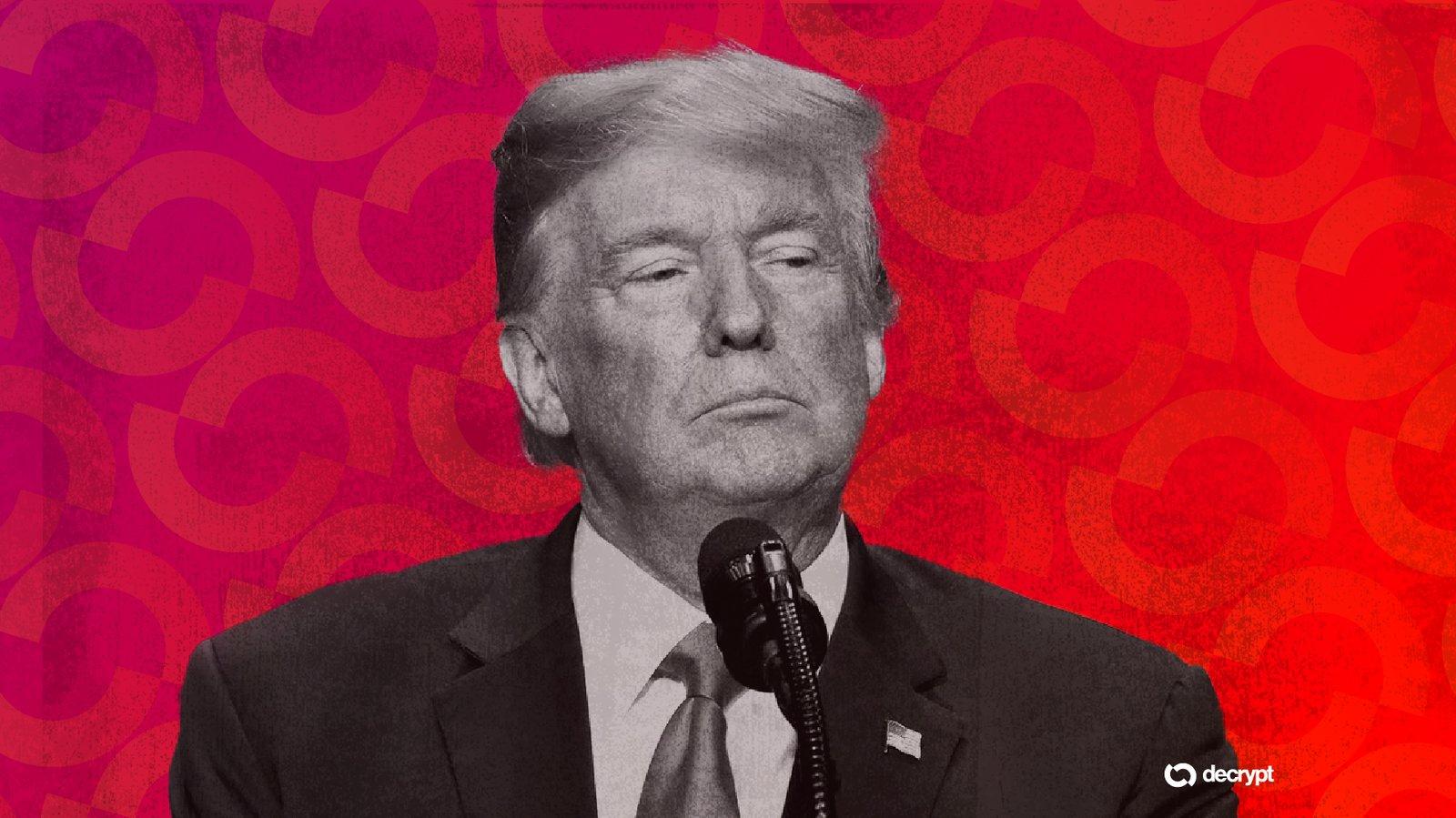
However, potential conflicts of interest arise from these regulatory initiatives. Recent financial disclosures reveal that Trump himself could have garnered between $1.2 billion and $1.4 billion from cryptocurrency ventures. This raises concerns about the integrity of the regulatory agenda, as the individual influencing policy has considerable financial stakes in the sector.
For investors, the implications of the GENIUS Act are profound. As stablecoins serve as the bedrock for numerous crypto activities, including trading pairs and DeFi lending, having regulatory certainty reduces counterparty risks across the board. Nevertheless, market conditions can shift dramatically based on political changes, which could pose risks to products developed under the current regulatory landscape.
This material is intended for informational purposes only and should not be considered financial advice.