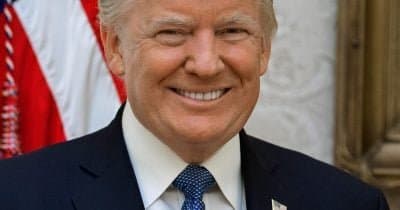
On July 13, President Trump unveiled a controversial plan to impose a 20% fee on cargo passing through the Strait of Hormuz, a key maritime chokepoint responsible for transporting about 20% of the world's oil. This unexpected announcement resulted in a staggering $20 billion loss in the cryptocurrency market, underscoring the delicate interplay between geopolitical events and digital asset valuations.
The Immediate Impact on Oil and Crypto Markets
The oil market responded swiftly, with prices surging approximately $16 per barrel following Trump's declaration. The proposed toll aims to fund U.S. naval security operations in the region, which is becoming increasingly important amid rising tensions between the U.S. and Iran. This escalation not only affects oil prices but also triggers a broader risk-off sentiment among investors. As oil prices rise, inflation expectations also climb, prompting central banks to adopt tighter monetary policies. This dynamic is particularly detrimental to speculative assets such as cryptocurrencies, leading to their rapid devaluation.
Understanding the Risk-Off Reaction
The cryptocurrency market's reaction can be understood through a straightforward risk-management lens. Institutional investors, wary of geopolitical instability, tend to withdraw capital from volatile assets like Bitcoin and altcoins as oil prices soar. The $20 billion wipeout in the crypto space reflects this risk aversion, highlighting how sensitive these assets are to external economic pressures.
The chain reaction starts with higher oil prices, which raise inflation concerns and prompt central banks to reconsider their monetary policies. As liquidity tightens, speculative markets suffer, and crypto assets invariably feel the brunt of this shift. Investors are left to ponder whether these conditions will persist or if the markets will stabilize in time.
The Iran-Crypto Connection
An intriguing aspect of this scenario is Iran's previous proposal to allow Bitcoin payments for its own toll on the Strait of Hormuz. This idea was intended to bypass U.S. sanctions by utilizing cryptocurrency's borderless nature. Trump's announcement, while significantly more expensive, could inadvertently reignite discussions around alternative payment methods in the region, potentially leading to a more significant role for cryptocurrencies in international trade and sanctions evasion.
The unfolding situation raises questions about the long-term implications for both oil markets and cryptocurrencies. As geopolitical tensions continue to escalate, the possibility of cryptocurrencies being adopted for practical use in circumventing sanctions remains a topic worth monitoring.
This material is for informational purposes only and should not be considered financial advice.