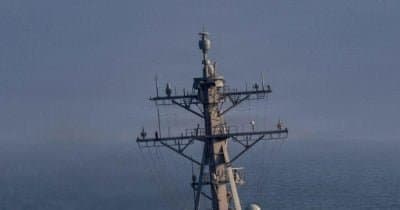
In a significant escalation of military tensions, the US Navy is set to enforce a naval blockade on Iran, officially commencing at 4 p.m. EST today. This action, which has been reinstated by President Donald Trump, comes amid ongoing crises in the Strait of Hormuz and the broader landscape of the 2026 Iran conflict, which has seen the collapse of peace negotiations and the resurgence of hostilities.
The blockade is strategically designed to target Iranian ports, aiming to limit military activities emanating from the region. With Iran's response yet to be seen, this development raises the stakes not only for regional stability but also for global economic conditions, particularly concerning oil supply chains.
Market Implications and Expectations
The enforcement of this blockade has profound implications for the normalization of traffic through the Strait of Hormuz, a critical maritime nexus for global oil transportation. Currently, market analysts are assigning only a 12.5% probability that traffic will return to normal by August 31, indicating a notable decline in expectations compared to earlier assessments. This shift reflects the heightened tensions that suggest a protracted period of disruption might be on the horizon.
As seen in previous geopolitical conflicts, such military actions can lead to spikes in oil prices, as markets react to both the immediate risks and the longer-term uncertainties involved. Stakeholders, including investors in the energy sector, should keep a vigilant eye on these developments as they unfold.
Future Developments to Monitor
The upcoming days will be critical in shaping the future trajectory of both the naval blockade and the Strait of Hormuz traffic. In the coming days, closely monitoring the following indicators will be crucial:
- Statements from Iranian leadership regarding reactions to the blockade.
- Potential diplomatic engagements or negotiations between the US and Iran.
- Changes in commercial shipping patterns and insurance costs due to the increased threat level.
These factors could significantly influence market perceptions and, ultimately, the likelihood of a near-term resolution to the ongoing crisis.
This article is for informational purposes only and does not constitute financial advice.