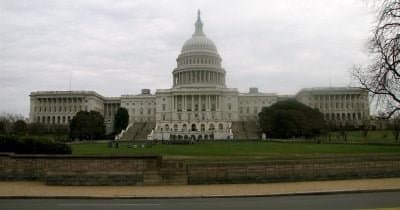
New social media reports indicate that a revised draft of the Clarity Act is on the verge of being released, signaling potential movement in a legislative landscape that has seen considerable obstruction. While this may seem like a mere procedural update, its implications for the digital assets market are profound, especially as the backdrop includes persistent opposition from significant banking and law enforcement factions.
Contentious Points of the Clarity Act
The Clarity Act aims to create a comprehensive framework for digital assets within the United States. Despite having previously passed through the Senate Banking Committee, the challenge remains in securing a full Senate vote. Central to the discussions are contentious provisions such as Section 404, which limits stablecoin yields, and Section 604, designed to offer protections to non-custodial developers. These sections highlight the tension between protecting consumers and fostering innovation in the digital asset space. The ongoing negotiations illustrate a complex balancing act between differing interests.
Market Implications of Legislative Developments
Current market responses suggest diminishing confidence in the passage of the Clarity Act by the end of 2026, as reflected in the pricing dynamics of relevant assets. The act’s future hinges on a challenging 60-vote threshold in the Senate, coupled with ongoing reconciliation discussions among various legislative drafts. The uncertainty surrounding the Clarity Act may lead to increased volatility in the digital asset market, as investors reassess their positions based on legislative developments.
As observers await official updates, key politicians such as Senate Banking Committee Chairman Tim Scott and former President Donald Trump remain crucial figures to watch. Their insights may provide further clarity on the bill's prospects. The hesitations expressed by influential banking and law enforcement groups could create a ripple effect, complicating support within Congress and shaping public perception regarding the viability of the Clarity Act.
This material is informational and should not be considered financial advice.