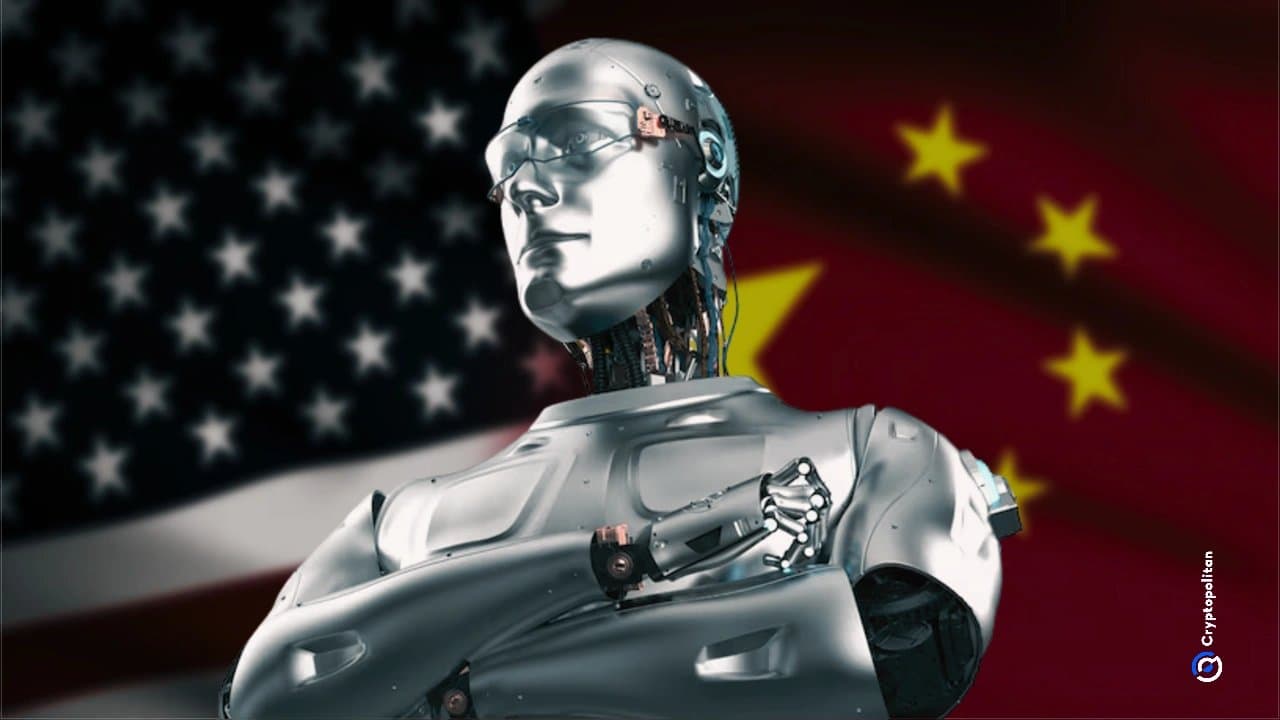
China's commitment of $300 billion towards robotics reflects a decisive shift in its AI policy, favoring tangible outcomes over the theoretical advancements seen in AI models. By leveraging its solid electric vehicle supply chain, China currently dominates the global humanoid robot market, producing nearly all of the world's humanoid robots.
Despite the impressive scale of production, current humanoid robots still face challenges in executing complex tasks and remain cost-prohibitive for mainstream adoption. This dichotomy between production capabilities and practical applications emphasizes the developmental gap that persists even in the face of substantial investments.
Strategic Implications of China's Five-Year Plan
China's focus on robotics is underpinned by its 15th Five-Year Plan, which highlights the strategic priority of integrating AI with physical robotics. As noted by George Chowdhury, a robotics analyst at ABI Research, the plan is expected to channel significant funding into robotics and AI, fostering innovations that could reshape various industries. For instance, products like the Quester1 personal robot exemplify this ambition, showcasing capabilities that allow for transitioning between multiple forms, highlighting the versatility in design being explored.
The Competitive Landscape and Future Prospects
As China accelerates its robotics initiatives, the United States remains vigilant, committed to preserving its competitive edge in AI model development and chip technology. Notably, the upcoming 2026 World Artificial Intelligence Conference in Shanghai will provide a platform for Chinese companies to unveil their advancements, potentially shifting perceptions about the capabilities of AI-driven robotics. Private sector engagement has also surged, with Ant Group spearheading a $73.58 million funding round for the humanoid startup Zeroth, indicative of the strong investor interest in this space.
This move towards robotics could alter the dynamics in the AI sector, particularly as the U.S. grapples with its own AI regulatory challenges. Observers may note that China's proactive stance on robotics could serve as a model for other nations aiming to harness the potential of AI technology effectively, while simultaneously raising questions on global equity in technology access and development.
This article is for informational purposes only and does not constitute financial advice.