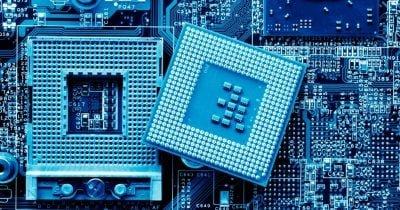
The recent surge in memory chip stocks has surprised many investors and analysts alike, triggering a $2 trillion increase in combined market value. As companies like Micron, Intel, and Sandisk dominate the S&P 500, it's essential to explore the underlying factors contributing to this remarkable shift.
Understanding the Memory Chip Rally
At the heart of this phenomenon lies the explosive demand for advanced memory solutions fueled by the AI revolution. Major players, from cloud giants to sovereign-backed AI initiatives, require vast amounts of high-bandwidth memory (HBM), DRAM, and NAND flash to support their extensive data center infrastructure. Notably, Sandisk has emerged as a leader with a staggering 780% gain this year, while Micron and Intel follow closely with increases of about 300% and 278%, respectively.
This boom contrasts sharply with the previous market cycle, which grappled with oversupply and plummeting prices. By Q2 2026 alone, the rally pushed the memory chip sector's total market value up by approximately $2 trillion, highlighting a significant turnaround in investor sentiment.
Tokenization: Bridging AI Stocks and Crypto Investors
Adding an interesting layer to this trend, Ondo Finance has introduced tokenized equity products tied to these hot stocks, such as MUon for Micron and SNDKon for Sandisk. These tokens provide on-chain exposure, enabling cryptocurrency enthusiasts to participate in the memory chip sector without the need for traditional brokerage accounts. This evolution marks a convergence between equities and blockchain technology, broadening access to investment opportunities.
While these are not typical DeFi tokens, their introduction signifies an important shift in how investors can interact with equity markets. As on-chain instruments gain popularity, they may lead to increased engagement from a new demographic of investors accustomed to crypto.
The Future Outlook for Investors
The bullish outlook remains clear: AI infrastructure spending continues to escalate, and memory prices remain robust due to persistent strong demand. According to Micron’s previous guidance, the company's HBM production is essentially sold out until 2027, and the complex nature of semiconductor manufacturing means new production capacity will not materialize quickly. Therefore, for those observing the tech and semiconductor sectors, the continued importance of AI is likely to sustain this bullish trajectory for memory chip stocks.