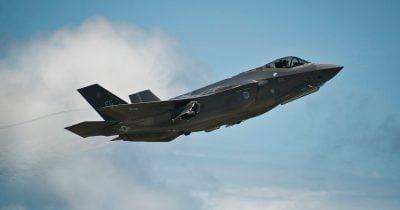
Recent reports indicate that Russian Bear-F maritime patrol aircraft have approached the UK’s Carrier Strike Group in the Norwegian Sea, resulting in an interception by F-35 jets. This series of events highlights an uptick in military maneuvers and tensions within the Arctic region, a space where both NATO and Russian forces have been actively engaged in military exercises.
Escalation of Tensions
The Russian Tu-142 aircraft’s aggressive maneuvers are not merely isolated incidents but part of a broader strategy that appears to target NATO’s naval strength in the region. Such actions fall under the purview of surveillance and anti-submarine warfare, suggesting a deliberate effort by Russia to probe NATO defenses. These incidents are unfolding as part of Operation Firecrest, which involves coordinated military activities among the UK, US, Canada, and their Northern European allies.
NATO's Response
The interception by the F-35s illustrates NATO's readiness and willingness to respond to perceived threats and violations of its airspace. This action likely adheres to the Quick Reaction Alert protocol, indicating that NATO is on high alert amid concerns regarding possible Russian military aggrandizement.
Implications for Global Markets
The ongoing military posturing has broader implications that extend beyond immediate geopolitical concerns. Market analysts are increasingly factoring in the risks of a potential US-Russia military clash, which could disrupt global markets. Such potential conflicts often trigger volatility in sectors related to defense, energy, and even cryptocurrencies, as investor sentiment shifts amid uncertainties.
As observers closely monitor these developments, any further aggressive actions or aerial violations by Russia will be critical in determining the likelihood of escalation. Future official statements from NATO or Russia may significantly impact market perceptions regarding the potential for direct military confrontation.