The recent regulatory shift in Thailand regarding cash deposits highlights the growing tension between traditional financial systems and the burgeoning world of digital assets. The Bank of Thailand has implemented a crucial requirement mandating that any cash deposit of THB 5 million, approximately $150,000, must come with verified proof of its source. This measure signals a serious commitment from Thai authorities to ensure compliance and transparency, particularly in the realm of high-value stablecoin transactions.
As stablecoins like USDT gain traction as viable alternatives for large cash transfers, the Thai government is reinforcing its oversight to prevent potential abuse. The collaboration between the Bank of Thailand and the Securities and Exchange Commission (SEC) indicates a significant step toward unified regulatory efforts. By examining large stablecoin transactions collectively, these institutions aim to build a comprehensive framework that can effectively monitor activities that might evade single-jurisdiction scrutiny.
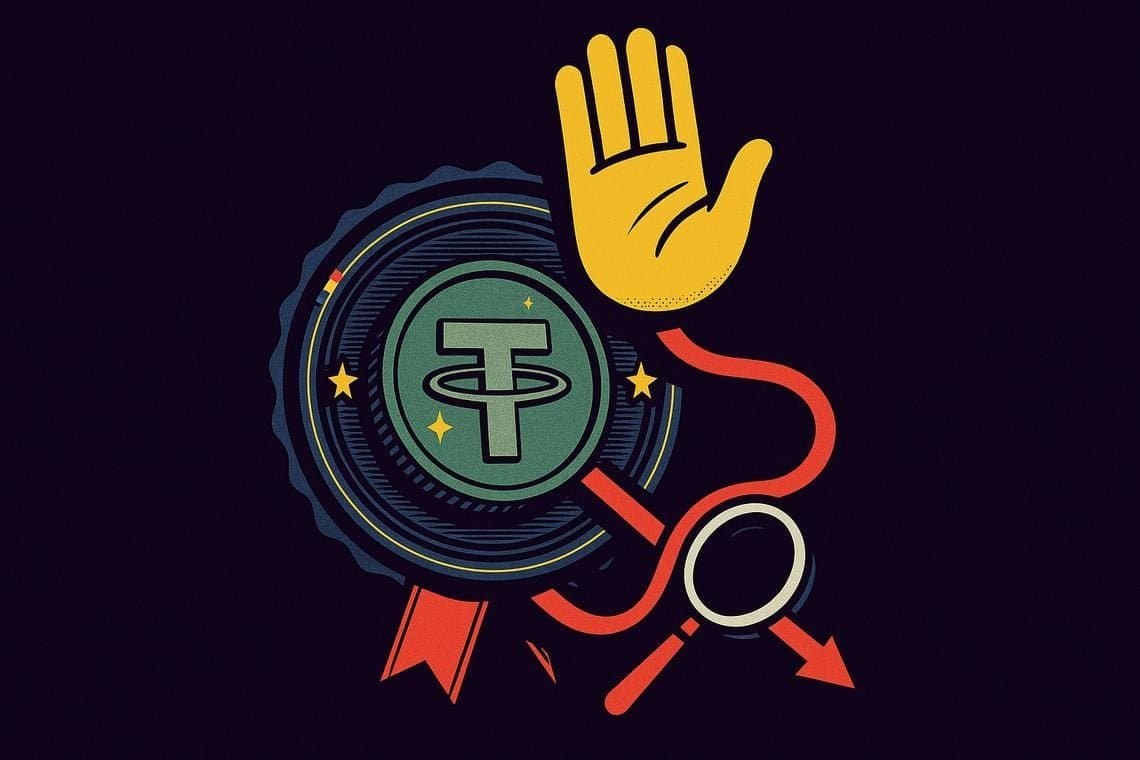
The focus on USDT, in particular, stems from concerns surrounding concealed ownership and the possibility of circumventing domestic remittance channels. This scrutiny is not indicative of a broader crackdown on cryptocurrency, but rather an essential compliance measure to safeguard against illicit financial activities. The emphasis on transparency is crucial in building trust among regulators, businesses, and investors alike.
Furthermore, as the regulatory landscape evolves, it is likely that such measures will influence the behavior of both users and financial institutions. Increased compliance requirements may deter some from engaging in high-value stablecoin transactions, while others may seek to explore alternatives that align with these new regulations. The impact could ripple through the broader crypto market, shaping how transactions are conducted in a landscape that is progressively intertwining with regulatory frameworks.
Ultimately, these developments in Thailand serve as a noteworthy example of how regulatory bodies worldwide are adapting to the rapid evolution of digital assets. As countries grapple with the implications of cryptocurrencies and stablecoins, the potential for a more structured and secure market emerges, albeit with challenges that stakeholders must navigate.
This article is for informational purposes only and does not constitute financial advice.