Russia's Parliament has approved a groundbreaking Digital Currency and Digital Rights Law, scheduled to come into force on September 1, 2026, pending presidential assent. This legislation establishes a full licensing framework for crypto service providers, including exchanges, brokers, asset managers, custodians, and crypto exchangers. The move signals a major regulatory shift aimed at bringing the country's digital asset sector under formal supervision without completely banning cryptocurrency activity.
The law mandates that licensed exchanges maintain a minimum capital of 15 million rubles (approximately $190,000) and join approved self-regulatory organizations. Existing firms are granted a transition period until July 1, 2027, to adapt to the new rules. Critically, while cryptocurrencies remain prohibited for domestic payments, the legislation explicitly allows their use in cross-border trade. This facilitates blockchain-based settlement systems, a strategic pivot as Russia contends with international sanctions and seeks alternative financial routes.
XRP’s Strategic Edge in the Emerging Regulatory Landscape
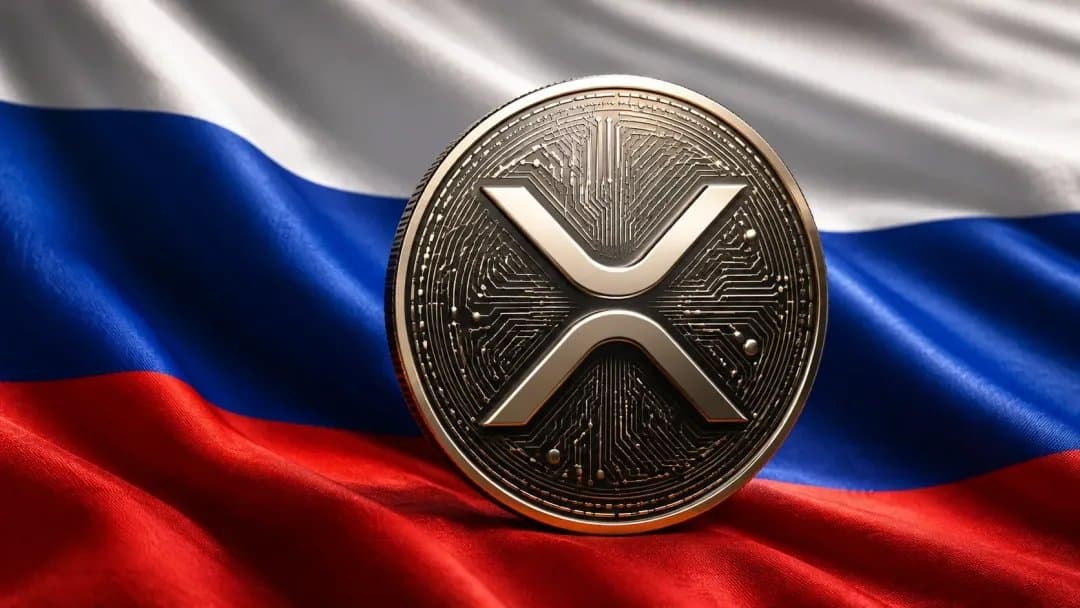
Among digital assets impacted by this framework, XRP enjoys a distinct advantage. Unlike many tokens that must await formal licensing and regulatory approval, XRP is already traded within the Moscow Exchange's (MOEX) Digital Financial Assets ecosystem. MOEX has been expanding regulated tokenized investment products, enabling institutional investors to gain exposure to crypto without direct ownership. This early integration gives XRP a foothold in one of Russia’s key regulated financial venues.
Institutions active in MOEX's DFA market can potentially increase their XRP holdings through familiar, compliant channels as the licensed crypto market opens. Although the legislation does not confer any special legal status on XRP nor guarantee broad adoption, its existing presence within Russia’s regulated infrastructure is a meaningful competitive edge over other digital assets still waiting for market access.
This timing coincides with Russia's reported sales of gold reserves to alleviate fiscal pressure from sanctions. Concurrently, the country expands regulated digital asset infrastructure and authorizes cryptocurrency for international trade, positioning XRP to assume a leading role in alternative payment networks and tokenized finance solutions.
This development shows a notable shift in Russia’s financial strategy, blending traditional reserves liquidation with innovative blockchain adoption to navigate evolving global economic constraints.
Material is informative and not a financial recommendation.