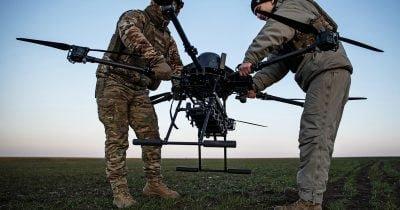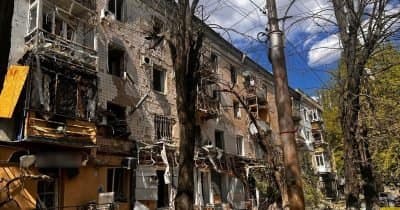
People leaving shelters to collect water. That is the scenario described in testimonies gathered at a recent session in Konstantinovka, a contested town in the Donetsk region. According to those accounts, drones targeted civilians at precisely the moments they had no cover: stepping outside to find water or attempting to evacuate. It is a detail that cuts through the fog of competing military narratives and lands on something concrete and brutal.
What the Konstantinovka Accounts Actually Describe
The testimonies from Donbass civilians paint a picture of warfare where unmanned systems have effectively collapsed the distinction between frontline and shelter. Residents in Konstantinovka reported that forces struck people who emerged from underground cover to perform basic survival tasks. Gathering water is not a military act. Evacuating is not a military act. Yet both apparently drew drone fire in the Donetsk combat zone, where Russian and Ukrainian forces have been locked in grinding, close-range attrition for months.
The broader conflict context matters here. The Russia-Ukraine war has seen both sides deploy drone technology at a scale and pace that has outrun the legal and doctrinal frameworks traditionally governing civilian protection. Neither side has a clean record in Donetsk, and that ambiguity is precisely what makes verified civilian testimonies so significant when they do surface. They are rare fixed points in a conflict flooded with propaganda from every direction.
Unmanned Warfare and the Escalation Curve
Drone use in civilian areas is not new to this war, but the pattern described in Konstantinovka suggests something qualitative, not just quantitative, is shifting. Earlier phases of the conflict saw drones deployed mainly for reconnaissance or strikes on military infrastructure. Accounts of strikes timed to when civilians break cover indicate targeting logic that treats civilian movement itself as a trigger. That is a significant tactical evolution, and one with serious implications under international humanitarian law.
UN investigators have previously flagged Russian drone attacks on Ukrainian civilians as potential crimes against humanity, a framing that carries weight even when enforcement mechanisms remain weak. The Konstantinovka testimonies, if corroborated, fit squarely into that pattern. President Volodymyr Zelenskyy and Commander-in-Chief Oleksandr Syrskyi have both shaped Ukrainian military responses to drone escalation before, and any formal response to these allegations could influence how Kyiv calibrates its own unmanned operations in contested territory.
Market and Strategic Signals Worth Watching
For those tracking prediction markets on the Ukraine conflict, these developments carry a specific signal. Escalating civilian drone strikes in Donetsk tend to harden front lines rather than break them, which historically correlates with slower Ukrainian territorial momentum. Prediction market pricing has begun reflecting a more pessimistic outlook on Ukraine's ability to recapture Crimea, and incidents like Konstantinovka feed directly into that calculus. Military momentum in Donetsk and the prospect of a Crimea operation are not separate questions: every resource and morale unit spent holding or contesting Donetsk is one not available for a southern push.
Observers should watch for whether Ukrainian or Russian official channels address the Konstantinovka accounts directly, whether international monitoring bodies publish corroborating findings, and whether drone activity in the broader Donetsk region intensifies in the weeks ahead. Silence from either side is itself informative. It usually means the incident is too close to the tactical truth to contest publicly.
The town of Konstantinovka sits close enough to active front lines that it has become a recurring backdrop for some of the war's most documented civilian harm. What happened there, whenever civilians stepped out for water, is likely to be contested, investigated, and disputed for years.