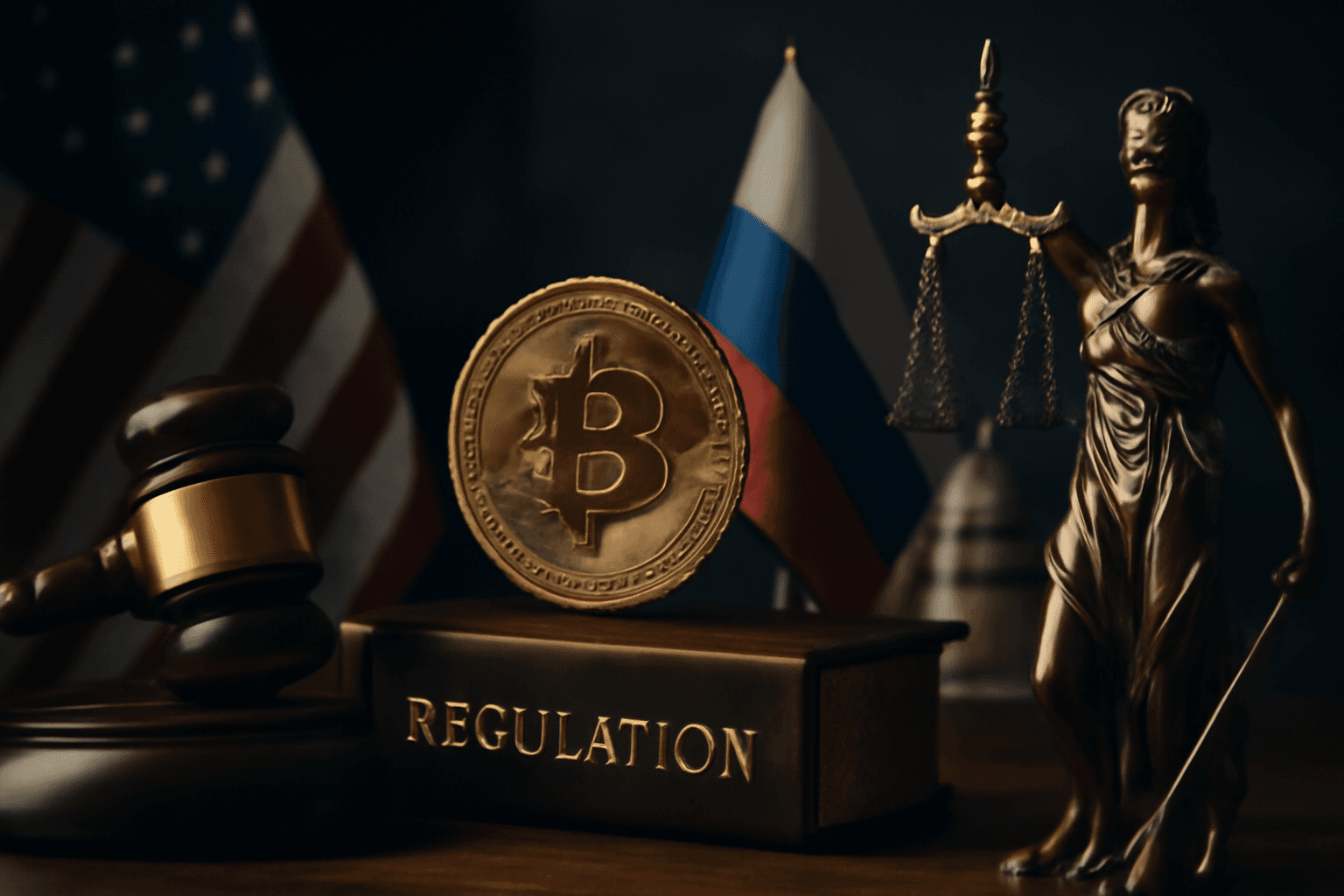
Russia's State Duma is set to finalize its principal cryptocurrency regulation bill with second and third readings scheduled for July 21. This move signals a significant step toward establishing a full legal framework for digital assets within the country, affecting investor participation and cross-border transactions.
Investor Limits and Market Regulation
Anatoly Aksakov, chairman of the State Duma Committee on Financial Markets, confirmed the legislative agenda, emphasizing that the upcoming approvals aim to create structured conditions for cryptocurrency operations in Russia. The draft bill, officially known as No. 1194918-8 "On Digital Currency and Digital Rights," introduces differentiated annual purchase limits. Non-qualified investors would be capped at 300,000 rubles (approximately $3,800) per year through a regulated intermediary, with an additional 100,000 rubles limit on foreign transfers. In contrast, qualified investors enjoy significantly greater thresholds: up to 3 million rubles for crypto purchases and 1 million rubles for foreign transfers.
These thresholds reflect a deliberate design to channel crypto activities into regulated avenues, where licensed exchanges, brokers, and intermediaries operate under the supervision of the Bank of Russia. By setting these limits, lawmakers aim to balance investor protection with market growth, potentially curbing speculative excesses among less experienced participants. The framework's impact will ripple through investor behavior, possibly incentivizing qualification processes to access higher limits.
The bill has evolved during parliamentary review, notably removing the earlier stipulation requiring crypto holders to disclose wallet addresses. This revision suggests a shift toward privacy considerations while maintaining regulatory oversight through alternative information disclosures.
Still, the bill's passage through the State Duma is not the final hurdle; it requires subsequent approvals before becoming law. Market participants and observers should anticipate further refinements during this process.
The legislation also extends legal recognition for cryptocurrency use in cross-border trade, potentially facilitating international commerce through digital assets. However, domestic payments remain constrained, signaling a cautious approach to integrating cryptocurrencies into everyday transactions.
This development aligns with Russia's broader ambition to regulate cryptocurrency markets, ensuring stability and compliance. For investors, understanding these limitations and the evolving legal landscape is critical for navigating opportunities and risks.