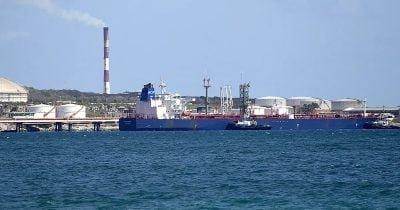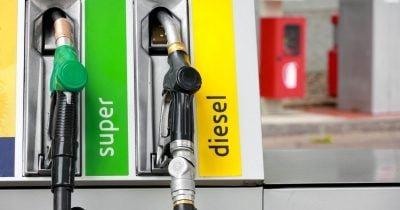
The recent announcement by Russia to halt diesel exports has sent shockwaves through global energy markets, raising concerns about supply shortages and inflation across energy-dependent economies. Effective from July 8, 2026, this ban affects approximately 11% of the world’s seaborne diesel supply, a significant percentage that could lead to drastic price hikes and market instability.
Why This Development Matters
The decision to enforce a full ban stems from mounting domestic pressures, notably prolonged lines at fuel stations in Russia. Deputy Prime Minister Alexander Novak's statement highlights that prioritizing domestic fuel availability has overshadowed the benefits of exporting diesel for revenue. This marks a critical shift in policy, especially after consistent reports of diminishing refining capacity on the back of ongoing Ukrainian drone strikes, which have exacerbated Russian domestic fuel shortages.
- Diesel exports have plummeted to about 428,000 barrels per day, representing a decrease of over 50% from previous averages.
- June exports totaled approximately 7.93 million barrels, down 45% from the preceding month.
- The European diesel crack spread surged to a staggering $60.17 per barrel.
With Russia's diesel supply falling dramatically, regions such as Turkey, Brazil, and North Africa, which have relied heavily on these imports, are now facing dire challenges in securing alternative sources. The immediate implications for these regions may include skyrocketing energy costs and increased inflationary pressures, further straining their economies.
Market Reactions and Future Implications
The rapid escalation in diesel prices points to a broader trend of panic among energy markets. This could lead to intensified competition among countries looking for alternative diesel sources, potentially altering existing trade relationships. Importing countries need to strategically consider impact on logistics, price adjustments, and potential geopolitical implications of seeking new suppliers.
In addition, the energy sector will likely see increased volatility as refiners adjust to these new market conditions. Companies must navigate the challenges of diminished supplies and potential government interventions aimed at controlling domestic prices and rolls in exports.
What to Watch Next
As nations scramble for alternative diesel sources, attention will focus on how quickly they can secure replacements and the subsequent effects on production and transport sectors. Investors should monitor how this situation unfolds, examining both short-term price shocks and longer-term shifts in global energy supply chains.
This material is for informational purposes only and does not constitute financial advice.