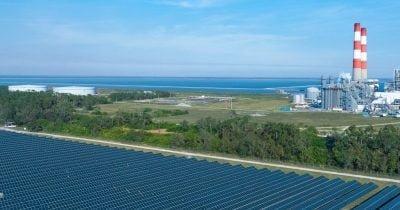
The $67 billion acquisition of Dominion Energy by NextEra Energy marks a significant shift in the way energy demand is being shaped by artificial intelligence (AI) infrastructure. This monumental deal is not just a record-breaking transaction in the power sector; it also signals a dramatic pivot towards incorporating AI-driven technology into energy consumption paradigms.
Understanding the Broader Implications
This transaction is a clear indicator of the escalating electricity needs created by AI data centers, especially in regions like Virginia. As companies like Amazon, Microsoft, and Google ramp up their operations, the reliance on electricity is intensifying, compelling utility players to make hefty acquisitions to secure the resources needed for future expansions.
- NextEra's acquisition price: $67 billion
- The acquisition is the largest power deal to date
- Heightened demand for electricity from AI data centers in Virginia
This shift emphasizes a broader trend in financing models, transitioning from cash-funded capital expenditures to debt-financed investments. Such a pivot has far-reaching consequences for interest rates and overall economic conditions. The increasing issuance of corporate bonds by hyperscalers not only reflects this trend but also suggests potential upward pressure on interest rates, indirectly affecting asset prices, including gold. Investment dynamics are likely to see a shift, as market participants adapt to these emerging financing patterns.
Future Outlook and Key Considerations
Investors and market analysts will closely monitor how hyperscaler debt influences interest rates and the consequent implications on gold pricing scenarios. Regulatory approvals for the NextEra-Dominion merger, anticipated by mid-to-late 2027, will also be pivotal; they could shed light on trends within utility investments and their reactions to market conditions. Further announcements regarding debt issuance from major tech firms could provide critical insights into how the energy sector is shaping up in relation to fiscal policy.
This material is for informational purposes only and does not constitute financial advice.