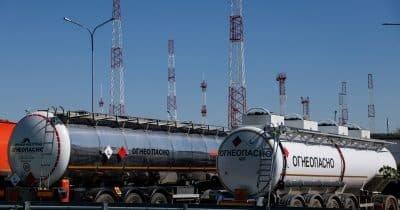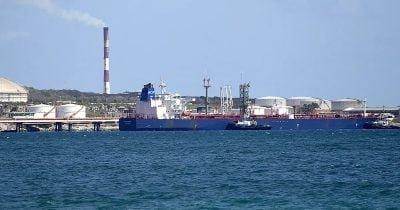
On April 21, 2026, Indonesia marked a significant milestone by accepting its inaugural large shipment of Russian crude oil. This transaction is not merely about energy supply; it signifies the burgeoning relationship between Indonesia and Russia amidst a complex geopolitical landscape. This development hints at potential shifts in the global energy market, particularly concerning the use of cryptocurrencies in trade.
Understanding the Importance of This Move
The commencement of this oil deal, which covers up to 150 million barrels of Russian crude, raises several crucial points for both energy markets and cryptocurrency ecosystems. Indonesia's strategic maneuver to engage with Russia, potentially avoiding sanctions, demonstrates a new approach to international trade. Key aspects include:
- Russian crude's preferential pricing.
- Reliance on Lemigas, a regulatory agency, to facilitate these imports, sidelining the state oil company Pertamina.
- Previous smaller shipments indicating a growing reliance on Russian oil prior to this larger arrangement.
Additionally, this partnership comes when Russia is increasingly incorporating digital assets into its international trade framework. The formalization of using cryptocurrencies, such as Bitcoin and Ethereum, for oil transactions represents a significant pivot. Although there is no confirmed link yet between cryptocurrency payments and the current oil shipments to Indonesia, the implication remains: as Russia leans into crypto for energy settlements, Indonesia may be on the cusp of engaging similarly.
The Ripple Effect on Crypto Markets
The introduction of crypto in alignment with energy trades can fundamentally alter market dynamics. A single-digit percentage of Russia's vast energy exports, which are valued at hundreds of billions of dollars annually, flowing through crypto channels could mean substantial volume for cryptocurrencies. This increasing demand poses both opportunities and risks for the market:
- Potential for heightened mainstream acceptance of cryptocurrencies as a legitimate payment method in large-scale trades.
- Possible regulatory scrutiny from bodies such as the US Treasury, which has been active in targeting sanction evasion through digital assets.
- Increased volatility in cryptocurrency prices tied to geopolitical changes and energy trade developments.
Future Implications and Key Factors to Monitor
As this scenario unfolds, stakeholders need to keep an eye on several crucial developments. The ongoing evolution of Indonesia's crypto regulatory framework will play a critical role in how these transactions are managed and perceived. Moreover, observers should watch for any indications of regulatory backlash if cryptocurrency becomes too intertwined with these oil deals, potentially leading to secondary sanctions on Indonesian entities.
This material is for informational purposes only and is not financial advice.