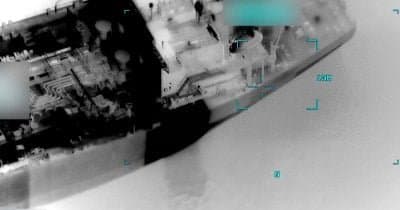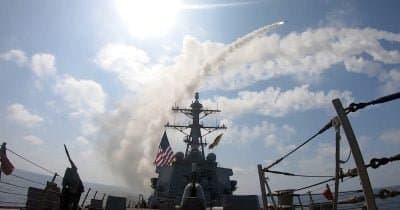
A recent Iranian missile strike killed a U.S. servicemember amid Operation Epic Fury, the joint U.S.-Israeli offensive launched earlier this year. This fatality raises the U.S. military death toll in the conflict to at least 16, underscoring the persistent and escalating nature of hostilities despite attempts at ceasefire. The attack targeted a U.S. military installation, signaling a dangerous intensification in the Middle East theater with broader geopolitical reverberations.
The significance of this event lies not just in the immediate loss of life but in the ripple effects it generates. Markets have swiftly responded, pricing in a 30.5% probability that the U.S. might escalate military operations into a full invasion of Iran before 2027. This shift reflects growing investor anxiety about regional stability and potential disruptions in global energy supplies, given Iran's strategic position.
Simultaneously, Iran's decision to potentially close its airspace has become a pressing concern. Market assessments now assign a 52.5% chance that Iran will enact a full airspace closure by the end of August. Such a move would severely restrict commercial and military aviation in the region, increasing risks and operational costs worldwide. Observers are closely monitoring statements from the Civil Aviation Organization of Iran and international diplomatic channels for signs of this development.
The unfolding situation demands vigilance over possible ceasefire breaches by Iranian forces and the U.S. military's responsive measures. Any escalation could trigger wider conflict dynamics, destabilizing not only the Middle East but also impacting global trade routes and energy markets. Investors and policymakers alike need to track official communications carefully to anticipate shifts in strategy and risk exposure.
The regional conflict's influence is not confined to traditional markets; it also affects sectors like cryptocurrency, where geopolitical tensions can drive volatility. For context on how Iran’s actions reverberate through oil and crypto markets, see How Iran’s Strait of Hormuz Blockade Reshapes Oil and Crypto Markets.
This material is informational and does not constitute financial advice.