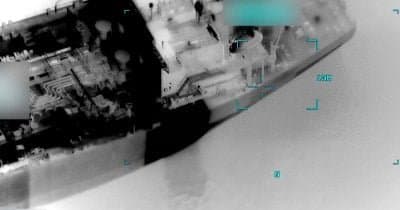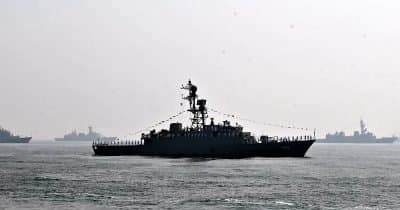
The US Central Command’s decision to redirect six vessels within 24 hours marks a sharp reinstatement of naval blockade enforcement in the Strait of Hormuz, a strategic chokepoint vital for global oil flow. On July 14, 2026, the blockade resumed, signaling the end of a brief diplomatic pause. One tanker, the M/T Belma, was even disabled by Hellfire missile strikes after failing to comply with US orders, underscoring the seriousness of the renewed confrontation.
Implications for Energy Prices and Market Stability
The Strait of Hormuz channels about 20% of the world’s daily oil supply. Disruptions here translate directly into price volatility. Earlier enforcement from April to June rerouted over 140 vessels and disabled 9, unsettling energy markets but allowing partial price adjustment. The blockade’s renewal removes that relative calm, threatening oil price spikes that act like a hidden tax on consumption and business costs across the globe.
These price pressures reverberate beyond energy, influencing central banks’ monetary actions amid inflation concerns. Tighter policies or prolonged inflation could dampen risk appetite in broader financial markets. Investors and traders should note that energy price shocks often cascade through equities, commodities, and alternative assets such as cryptocurrencies.
Crypto Mining Margins and Escalation Risks
Bitcoin mining remains sensitive to electricity costs, many of which correlate with fossil fuel prices. Regions with oil-linked electricity pricing will see operational margins squeezed if the blockade sustains upward pressure on oil prices. Miners running close to break-even could face rapid profitability erosion, possibly triggering sell-offs or reduced network activity.
The military escalation also raises geopolitical risk premiums. The move from vessel redirection to missile strikes elevates the stakes. Any Iranian retaliation, whether naval, proxy, or cyber, could further spook energy and crypto markets. This shift demands attention to both crude oil price trends and signals of conflict escalation.
- Reinstated naval blockade after a diplomatic pause
- Six vessels redirected, one tanker disabled by missile strike
- Strait of Hormuz sees 20% of global oil transit
- Prior blockade rerouted 140+ ships, impacting energy prices
- Higher oil prices compress crypto mining margins
- Escalation risk introduces volatility across oil and crypto assets
This material is for informational purposes and does not constitute financial advice.