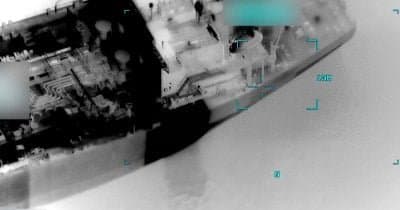
Three Indian sailors were killed after a U.S. airstrike targeted the tanker MT Settebello in the Gulf of Oman, marking the first confirmed fatalities since the U.S. began enforcing a naval blockade on Iranian ports. The strike occurred amid ongoing tensions and was carried out with precision munitions after the tanker allegedly breached the blockade and failed to comply with orders.
This event amplifies security concerns in one of the world’s busiest maritime corridors, known for its vulnerability to geopolitical conflicts. India’s immediate diplomatic protest and heightened alert for its maritime forces highlight the incident’s impact on regional security dynamics and the protection of Indian seafarers navigating these waters.
The timing is critical: market signals reflect increased risk of Houthi forces targeting commercial shipping, coinciding with the strike and the broader unrest. This spike in perceived threats could disrupt trade flows and escalate military engagements, influencing insurance costs and operational decisions for shipping companies.
Investors and market participants should monitor developments from Houthi leadership and potential retaliatory actions by regional powers, which may further destabilize maritime routes. also successful missile interceptions or a ceasefire agreement could shift risk assessments and alter market confidence.
This material is informational, not financial advice.