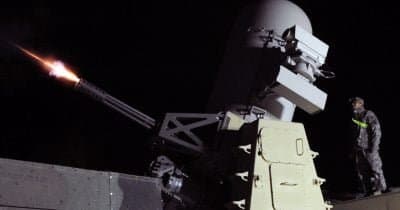
Two American service members killed and one missing after Iranian missile and drone strikes in Jordan mark a significant turning point in the ongoing conflict with Iran. US Secretary of War Pete Hegseth stated that these recent casualties only serve to strengthen the United States' determination to maintain offensive operations despite escalating losses.
Context of the Conflict
The hostilities, dubbed Operation Epic Fury, began in February 2026 following US and Israeli strikes targeting Iran's nuclear facilities. What initially appeared as a limited military engagement has broadened into a multifaceted conflict involving several countries in the region. Hegseth's remarks convey a clear message: rising American fatalities have not deterred the US but have instead reinforced the commitment to continue military pressure on Iran.
This stance is key when considering the delicate balance of international diplomacy and risk markets. The increased intensity of military exchanges shows that the conflict may escalate further rather than de-escalate in the near term. Investors and observers should remain vigilant for additional troop deployments or new strategic announcements, which could quickly shift market expectations and geopolitical risk profiles.
Prediction markets currently assign a 30.5% probability to a full-scale US invasion of Iran by the end of 2026, reflecting the heightened tensions and recent developments on the ground. This percentage is notably higher than earlier in the year, signaling investor anticipation of growing US military involvement. Given how conflict-driven uncertainty often leads to volatility in markets, including crypto and risk assets, following these developments closely is vital for stakeholders.
This material is informational and does not constitute financial advice.