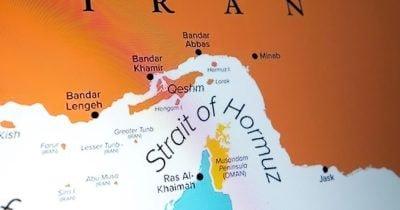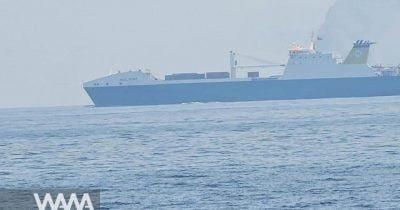
Recent events in the Strait of Hormuz are raising significant concerns over the stability of global oil supply lines. Following attacks on vessels, four notable oil and gas tankers have altered their courses in response to heightened tensions between Iran and the United States. The backdrop of mutual accusations of ceasefire violations adds layers of complexity to an already precarious situation.
The Significance of These Developments
Understanding the strategic implications of the Strait of Hormuz is crucial for stakeholders in the global oil market. This narrow passage represents a critical junction through which approximately 20% of the world’s oil flows. With increased military actions, including U.S. retaliatory strikes on Iranian sites, the likelihood of maritime disruptions grows, which can lead to far-reaching consequences for oil pricing and availability.
- Four tankers reversed their course near the Strait of Hormuz.
- The region is responsible for 20% of global oil shipment.
- Heightened tensions correlate with increasing risk in shipping routes.
Potential Market Repercussions
The implications of these maritime shifts extend beyond just immediate security concerns; they indicate potential volatility in oil pricing. As tensions escalate, market participants are likely to adjust their strategies, leading to price fluctuations that could ripple through related markets, particularly those linked to the Bab el-Mandeb Strait. Increased insurance costs for shipping may also manifest, impacting the overall cost of oil.
Looking Ahead: Monitoring Key Indicators
As the situation evolves, it is essential for investors and market watchers to remain vigilant. Key areas to monitor include potential military escalations by either side and the subsequent responses from international actors. Statements from Iran, the U.S., and regional players such as Saudi Arabia are critical touchpoints that could shift market perceptions dramatically. Additionally, satellite imagery revealing tanker movements or closures of vital routes may provide further insights into the ongoing stability of maritime operations.
This material is for informational purposes only and does not constitute financial advice.