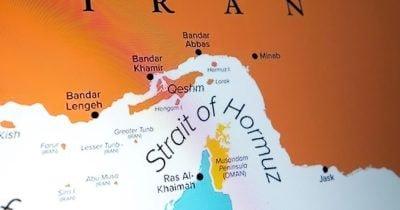
The recent accusations by Iran’s Parliament Speaker, Mohammad Bagher Ghalibaf, claiming that the United States has violated a memorandum of understanding regarding traffic management in the strategic Strait of Hormuz, mark an escalation in the already heightened tensions between these nations. With the ongoing conflict involving the United States, Israel, and Iran, understanding the implications of such diplomatic disputes is crucial for market participants and geopolitical analysts alike.
Understanding the Significance of the Accusation
This claim is not merely a political rhetoric but highlights deeper issues surrounding control of a critical maritime route, which is vital for global oil supply. The Strait of Hormuz sees approximately 20% of the world's oil pass through it, thus making any disruption a potential hotspot for economic instability.
- Key points of tension include Ghalibaf's assertion that U.S. actions compromise Iranian involvement in managing the strategically vital waterway.
- Current market assessments indicate a 14.5% risk of U.S. military action against Iran by the end of 2026.
- Prior military exchanges and retaliatory strikes have set a precedent for rapid escalation in the region.
Such statements from Iranian officials signal a precarious situation; they could sway investor confidence and impact oil prices. The geopolitical ramifications are substantial: should tensions escalate into direct military engagement, the global markets would likely respond with heightened volatility.
Looking Ahead: Potential Scenarios and Market Reactions
As the situation continues to develop, several key monitoring points have emerged:
- Additional military actions from either the U.S. or Iran could indicate a shift towards further escalation.
- Diplomatic communications from both sides will be telling; any signs of potential de-escalation could stabilize markets.
- Developments concerning traffic management agreements in the Strait of Hormuz need close observation to gauge the likelihood of conflict.
The outcome of these unfolding events remains uncertain. However, what is clear is that both economies and global markets are intricately connected to the tensions in this region, making vigilance essential for investors.
This material is for informational purposes only and does not constitute financial advice.