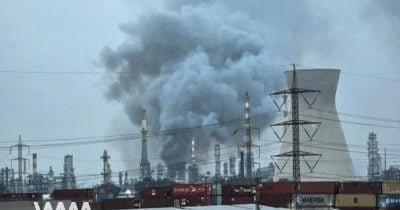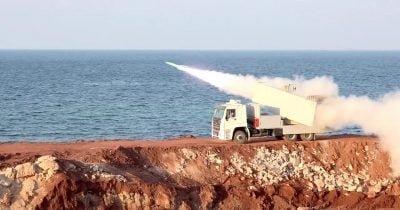
Recent actions by the Iranian Revolutionary Guard Corps (IRGC) have heightened tensions in an already volatile region. The reported missile strikes on two commercial vessels in the strategic Strait of Hormuz could have far-reaching consequences for global oil trade and geopolitical stability.
Why This Incident is Significant
The Strait of Hormuz is a crucial maritime corridor for the transportation of oil, with a significant percentage of the world's oil supply passing through it. The missile attacks signify a potential shift in Iran's strategy, demonstrating a willingness to escalate hostilities amidst ongoing tensions with the United States. Notably, this incident occurs against the backdrop of previous agreements aimed at ensuring the safe passage of vessels through the strait.
- The missile strikes indicate an increased level of hostility from Iran, highlighting potential disruptions in global oil shipping.
- Market reactions have shown a 91% probability of successful targeting, unnerving traders and analysts alike.
- This action further exemplifies Iran's defiance regarding U.S. demands for unrestricted maritime navigation.
Market Reactions and Projections
Market participants are closely monitoring the situation as the pricing indicates growing concern over Iran's capability to disrupt shipping activities. The attack's immediate impact on oil prices reflects a cautious sentiment among investors, who are now reassessing the risks associated with oil trade in this strategic region.
As military responses could escalate, it is imperative for traders and investors to keep an eye on potential announcements from the U.S. Department of Defense. The interplay between military actions and diplomatic negotiations will be pivotal in determining future market movements.
Future Developments to Monitor
Looking ahead, the potential for further IRGC operations or U.S. military responses could shape the dynamics of maritime security in the Strait of Hormuz. Key events to watch include:
- Any statements from the IRGC regarding planned naval activities.
- Responses from the U.S. military aimed at deterring further aggressions.
- Prospective diplomatic communications that aim to de-escalate tensions.
In summary, the recent missile strikes underline the fragility of the ceasefire terms previously put in place, with potential implications for both oil prices and broader geopolitical relations.
Disclaimer: This material is for informational purposes only and does not constitute financial advice.