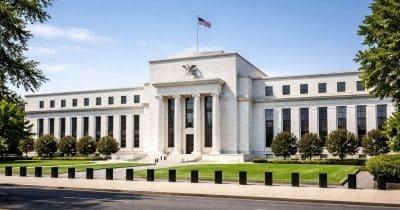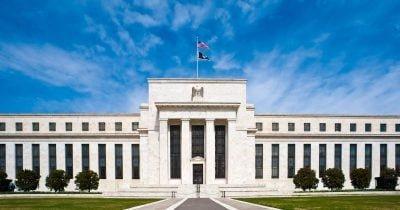
The latest market predictions indicate a 21% probability of a Federal Reserve interest rate cut by 2026. This figure reflects a consensus among investors that the economy could be on a path of stronger growth, coupled with resilient consumer spending patterns. Currently, the Fed has kept its benchmark federal funds rate steady between 3.50% and 3.75%, following a reduction of 0.75% in late 2025. As the economic landscape evolves, understanding the implications of these projections is vital for investors navigating the financial markets.
Why This Matters for Market Dynamics
The 21% chance of a rate cut underscores a more optimistic outlook for economic conditions. Rather than anticipating easing monetary policy, the market is gearing up for a prolonged period of stability or potential rate hikes. Important economic indicators, such as the real GDP growth of 1.6% in Q1 2026 and an expected 2.8% increase in consumer spending, suggest a robust economic environment that could lessen the urgency for monetary easing.
- 21% probability of a Fed rate cut by 2026
- Current federal funds rate maintained at 3.50%-3.75%
- Expected Q1 2026 GDP growth: 1.6%
- Anticipated increase in consumer spending: 2.8%
Broader Implications for Investors
The current sentiment in derivatives markets, which suggests a 60% chance of at least one rate hike by the end of 2026, contributes to a narrative of growing inflationary pressures. Investors will need to remain vigilant, as real-time shifts in economic indicators could significantly affect expectations surrounding Federal Reserve actions. The statements from key figures within the Fed, such as Chair Jerome Powell and Vice Chair Philip Jefferson, will be closely monitored for guidance on future monetary policy.
Looking Ahead: Key Developments to Watch
As we move closer to 2026, it will be essential to track any alterations in significant economic indicators like GDP growth rates or consumer spending, as these could prompt shifts in the Federal Reserve's strategies. Furthermore, upcoming meetings of the Federal Open Market Committee (FOMC) are likely to unveil new economic data that could influence projected interest rate changes.
Disclaimer: This material is for informational purposes only and is not financial advice.