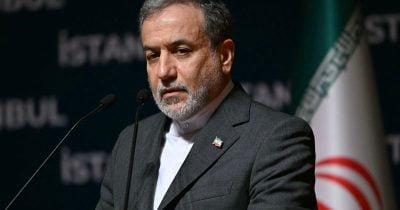
The recent statements by Iranian Foreign Minister Seyed Abbas Araghchi highlight a tense standoff in U.S.-Iran relations, particularly as both nations navigate a fragile ceasefire. His declaration that negotiations would remain stalled unless the perceived threats from the U.S. cease directly challenges the diplomatic groundwork that has formed under the ongoing 60-day ceasefire.
Why This Situation Matters for Global Diplomacy
The backdrop of the ceasefire, established through a Memorandum of Understanding (MoU), aimed to curb hostilities and facilitate normalcy in critical regions such as the Strait of Hormuz, a vital conduit for international oil shipments. The current rhetoric from Araghchi suggests that diplomatic avenues could be significantly hampered if U.S. threats persist. Key aspects include:
- Araghchi's comments unsettle the prospects for U.S.-Iran negotiations.
- The probability of a U.S.-Iran meeting by July 31, 2026, has already decreased from 74% to 71% in market assessments.
- The ceasefire remains precarious, with ongoing threats potentially pushing Iran towards a more militaristic stance.
This situation is critical for market observers and governmental policymakers as it underscores the volatility inhering in diplomatic negotiations, particularly within the context of an already fraught Middle Eastern security landscape.
The Path Forward: Monitoring Future Developments
Investors and analysts should closely watch for additional statements from both U.S. and Iranian officials that could either inflame tensions or hint at possible resolutions. The involvement of mediators, such as Qatar and Pakistan, is pivotal in facilitating negotiations. Moreover, the potential for military escalations, especially in strategic areas like the Strait of Hormuz, could dramatically alter the global oil market and invite broader geopolitical ramifications.
This material is for informational purposes only and should not be considered financial advice.