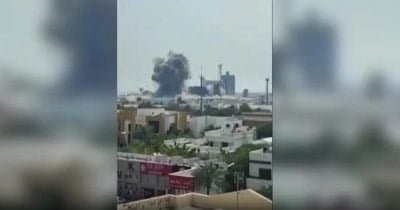
Bahrain's armed forces successfully intercepted multiple Iranian missiles and drones targeting the island nation, marking a clear escalation in the ongoing proxy tensions between Iran and the United States in the Gulf region. This event is not isolated but rather a sharp signal of how Tehran continues to pressure Gulf states hosting American military assets.
Escalating Regional Stakes
The Bahrain Defense Force’s statement emphasized Iran's disregard for civilian safety, urging the public to avoid debris from intercepted attacks. The implication is twofold: the military engagement risks collateral damage, and civilian areas are increasingly vulnerable amid these strikes. This raises concern about the fragility of regional ceasefire talks, which now face serious setbacks as hostilities intensify.
Market indicators reflect this unease. The probability pricing for a new "Iran military action against a Gulf state on July 22" stands at 51.5%, underscoring the market's anticipation of further conflict. This represents a sharp contrast with past months, where de-escalation seemed plausible.
Historically, Gulf states have been caught in the crossfire of Iran-US rivalry, where missile and drone capabilities have evolved into primary tools of asymmetric warfare. Bahrain’s effective defense highlights its growing military preparedness but also signals the potential for a cycle of retaliation that could spill beyond its borders.
Key figures such as Iran’s Supreme Leader Ali Khamenei and President Ebrahim Raisi remain key. Their strategic decisions in the coming days will likely dictate whether this flare-up stabilizes or escalates into sustained conflict.
This incident also ties into broader Gulf security concerns, as detailed in analyses of prolonged US strikes escalating risks in the Strait of Hormuz, illustrating a pattern of growing volatility around key maritime chokepoints.
As markets and geopolitical actors watch closely, further Iranian strikes could provoke increased US military responses, complicating an already unstable environment. Investors in regional assets and defense sectors should brace for heightened market sensitivity to military developments, while risk managers will need to account for potential supply chain and energy price shocks resulting from Gulf instability.
This material is informational and does not constitute financial advice.